











Arabica vs Robusta coffee is a choice that is based on the taste, caffeine content, the purpose of roasting, and the purpose of using it in the market. Personally, as a buyer, roaster, and cafe owner, it can be useful to know what kind of coffee beans to use in espresso mixes, speciality work or in large-scale commercial stock.
Introduction: Two Giants of Coffee
Arabica and Robusta are the two most important coffee types in the global market, and each offers different strengths for different buyers. When comparing speciality coffee Uganda options, this difference becomes useful because both types serve different roasting, flavour, and commercial needs.
Uganda’s contribution to global coffee
Choosing between Arabica vs Robusta coffee is not just about taste. For buyers, roasters, cafés, and distributors, it is a decision that affects flavour profile, product positioning, roasting strategy, and long-term customer appeal. That is why this comparison matters so much. On Cents Coffee, Uganda is presented as a source of both Robusta and Arabica, with products such as Robusta Screen 12, 15, 18, Dry Processed Arabica (Drugar), and Arabica AA & AB. The site also positions itself as a direct green coffee supplier focused on export, traceability, and quality, which makes this comparison especially relevant for commercial buyers.
Uganda plays a significant part in this debate since it provides both coffee and families in a commercially viable form. That provides the buyer with a greater degree of flexibility when considering Uganda coffee beans in either espresso blends, coffee supply, own-label roasting or wholesale programs. Rather than considering Arabica and Robusta as mere opposites, it is more appropriate to consider the way each type can help to achieve various business objectives. One can be more appropriate for speciality menus. The other may support stronger blends, higher caffeine, or better commercial value. The smartest choice depends on what you want the final coffee to do.
Differences in growing regions and altitude
The difference between Arabica and Robusta often starts at the origin level. Uganda plays a significant part in this debate since it provides both coffee and families in a commercially viable form. That provides the buyer with a greater degree of flexibility when considering Uganda coffee beans in either espresso blends, coffee supply, own-label roasting or wholesale programs. Rather than considering Arabica and Robusta as mere opposites, it is more appropriate to consider the way each type can help to achieve various business objectives. One can be more appropriate for specialty menus.
For buyers, this means geography is not just background information. It affects:
- Flavor style.
- Roasting behaviour.
- Cup complexity.
- Market positioning.
Arabica is often linked with higher-elevation growing zones and a more refined cup profile. Robusta is more often valued for strength, resilience, and practical commercial application. When comparing coffee bean comparison options, this growing-region difference is one of the first clues to how each coffee may perform.
Key Differences Between Arabica and Robusta
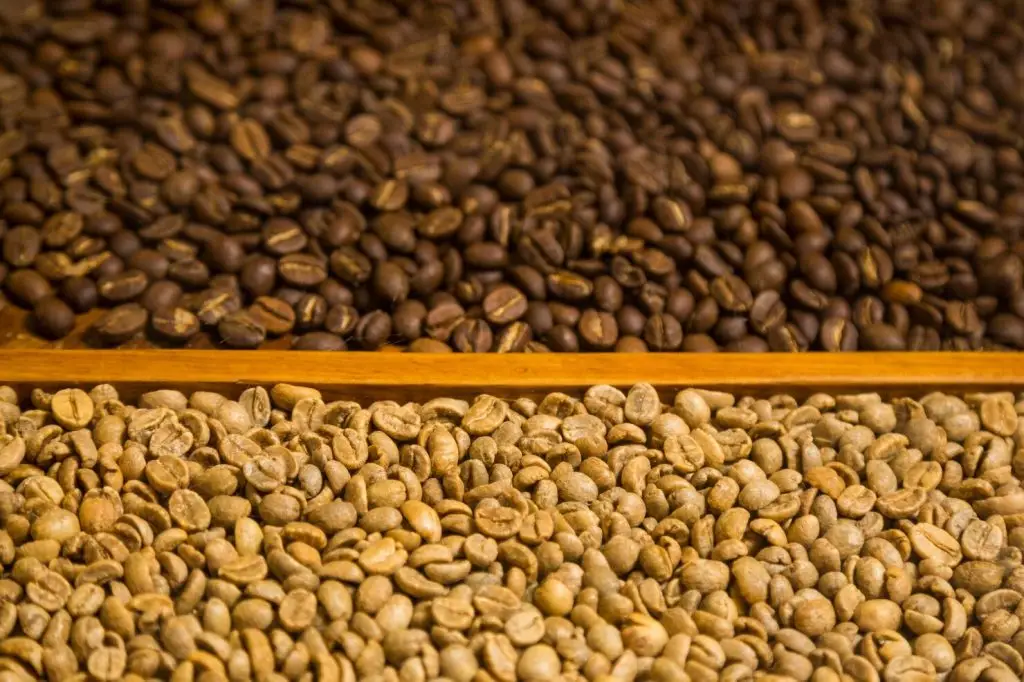
The main differences between Arabica and Robusta coffee appear in flavor, caffeine content, acidity, bean appearance, and grading. The differences aid the buyers in making a better comparison of coffee beans in terms of product style, customer demand and the way the coffee beans are going to be used.
Flavor profiles: mild vs bold
The most noticeable difference between Arabica and Robusta coffee is flavor. Arabica is usually associated with a smoother, more layered, and more aromatic cup. On the Cents Coffee site, Uganda’s Arabica is described as rich and full-bodied, while Drugar is presented with a naturally processed profile featuring sweetness, fruit character, chocolate, hazelnut, and low acidity. That makes Arabica especially attractive to buyers looking for a more nuanced sensory experience.
Robusta, on the other hand, is often chosen for its bolder character. Cents Coffee’s Robusta range is organized by Screen 12, 15, and 18, showing that the business already treats Robusta as a serious commercial category rather than a lower-tier backup option. Buyers typically choose Robusta when they want more strength, a heavier body, and a cup that stands up well in espresso or large-scale blends.
In practical buying terms:
- Arabica often suits refined flavour-led offers.
- Robusta often suits strength-led commercial products.
- Arabica can support premium speciality positioning.
- Robusta can support bold everyday coffee demand.
That is why high-quality Arabica and strong Robusta grades are not rivals in every context. They serve different product strategies.
Caffeine content and acidity
Another major difference is caffeine and acidity. Robusta is widely known for higher robusta caffeine content, which is one reason it performs so well in espresso blends and stronger commercial products. Buyers who want a more powerful cup, stronger crema, or more intensity often lean toward Robusta for that reason. Arabica, by contrast, is more often chosen for its aromatic range and softer cup experience.
Acidity also shapes the decision. Arabica can offer brighter, more expressive notes depending on origin and roast style, while many Robusta styles feel lower in brightness and heavier in body. That does not make one better than the other. It simply means they solve different needs. A café looking for a more refined single-origin offer may lean toward Arabica. A business building a stronger, value-driven espresso line may find Robusta more useful.
Bean size, appearance, and grading
Bean grading is another area where buyers should pay attention. Cents Coffee presents Robusta in Screen 12, 15, and 18 grades, while Arabica is listed as AA & AB and also as Drugar, which indicates a process-based distinction. This tells buyers something important: size, sorting, and processing all help define how the coffee should be evaluated.
Grading matters because it affects:
- Roast consistency.
- Visual presentation.
- A lot of uniformity.
- Price-to-performance value.
Larger grades may be preferred where a premium appearance and more even roasting matter. Smaller or more commercial grades may offer better value where strength and functionality are more important than visual uniformity. In a real coffee bean comparison, grading helps move the decision from theory into actual buying logic.
Best Uses for Each Coffee Type
Arabica and Robusta are used differently depending on the final cup profile and business goal. Arabica is often chosen for smoother, speciality-style offers, while Robusta is preferred for stronger espresso blends, commercial roasting, and higher-caffeine products.
Espresso, drip, and specialty blends
The optimal harvest of Arabica or Robusta varies with the ultimate product. Arabica is usually preferred in drip coffee, pour-over coffee, and menu-driven and specialist coffee programs where aroma, balance, and depth of flavour are the most important. Robusta is also quite efficient in espresso blends when body, crema and power are the main concerns.
Arabica is often used for:
- Single-origin café offers.
- Premium filter coffee.
- Lighter or medium roast retail products.
- Speciality-focused roasting lines.
Robusta is often used for:
- Espresso blends.
- Strong commercial roast programs.
- Instant or large-volume coffee products.
- Blends needing more body and punch.
For many buyers, the smartest move is not choosing one side permanently. It is understanding how both types can support different product lines under the same brand.
Commercial and home roasting
Cents Coffee markets itself as a green coffee partner and highlights benefits such as direct sourcing, roasting control, freshness, and longer green-bean shelf life. That positioning fits both commercial roasting operations and smaller-scale roasting buyers. Green coffee remains stable longer than roasted coffee when stored correctly, which supports bulk buying and more flexible roast planning.
For commercial roasters, Arabica may be used where premium positioning matters most, while Robusta may support margin-sensitive blends and strong espresso programs. For home roasters, the choice often comes down to desired flavour style. Arabica can feel more expressive and layered. Robusta can feel heavier, stronger, and more direct.
Buying Arabica & Robusta Online
Buying coffee online requires more than comparing taste alone because grade, packaging, shipping, and supplier clarity also matter. For buyers looking for premium coffee online, reviewing both Arabica and Robusta options carefully helps match the right coffee to the right roasting or resale need.
Selecting grades for quality
When you make premium coffee online sourcing decisions, the smartest starting point is not price alone. It is grade suitability. Buyers should look at how the supplier presents its coffee categories, processing style, screen size, origin story, and intended use. Cents Coffee already separates its offer into multiple Robusta screens and Arabica styles, which gives buyers a clearer base for comparison.
Before ordering, check:
- Whether the grade fits your roast program.
- Whether the flavour profile fits your market.
- Whether the coffee is presented as a speciality or a commercial.
- Whether the supplier gives enough product clarity.
That approach helps buyers choose specialty coffee Uganda options more confidently.
Packaging, shipping, and bulk options
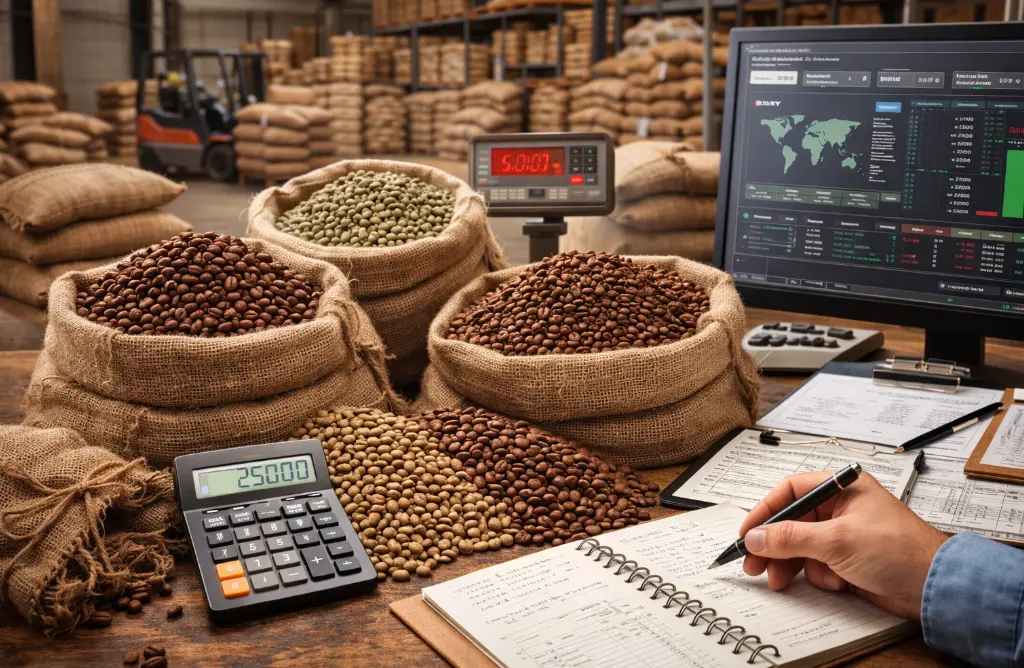
To foreign customers flavour notes are just a portion of the choice. Packaging, export handling and bulk-readiness are equally important. Cents Coffee positions itself as a direct exporter with quote-based inquiry channels, a business contacts form and a message regarding quality, traceability, freshness, and shelf life. That makes it relevant to buyers who may be interested in importing coffee beans from Uganda to be utilised as wholesale or roasting coffee beans.
An effective purchasing checklist must have the following:
- Product grade clarity.
- Shipment packaging appropriateness.
- Export communication.
- Sample or quote availability.
- Consistency across available coffee types.
If you want to buy premium coffee online for café supply, roasting, or distribution, the better approach is to compare Arabica and Robusta not by reputation alone, but by end use, market fit, and supply reliability. For businesses sourcing Ugandan coffee, requesting a sample or quote from Cents Coffee is a practical way to evaluate which coffee type fits your program best.
FAQs
Which coffee is stronger: Arabica or Robusta?
Robusta is generally considered stronger because it usually has higher robusta caffeine content and a bolder, heavier cup profile. Arabica is more often chosen for aroma, balance, and a smoother-tasting experience.
How does altitude affect coffee flavor?
Altitude often influences bean density and flavor development. Higher-grown coffees, especially Arabica, are commonly associated with more aromatic complexity and more refined cup character, which is why high-quality Arabica is often linked to elevated growing regions.
Can I mix Arabica and Robusta for espresso?
Yes. Many espresso blends combine both. Arabica can add aroma and complexity, while Robusta can add strength, crema, and body. The right mix depends on the flavour direction and customer preference.
Where can I buy premium Ugandan coffee online?
You can buy premium coffee online from suppliers that offer clear grades, export support, and origin-focused product options. Cents Coffee presents both Arabica and Robusta categories for buyers looking to source Uganda coffee beans for roasting, café use, or bulk coffee programs.