










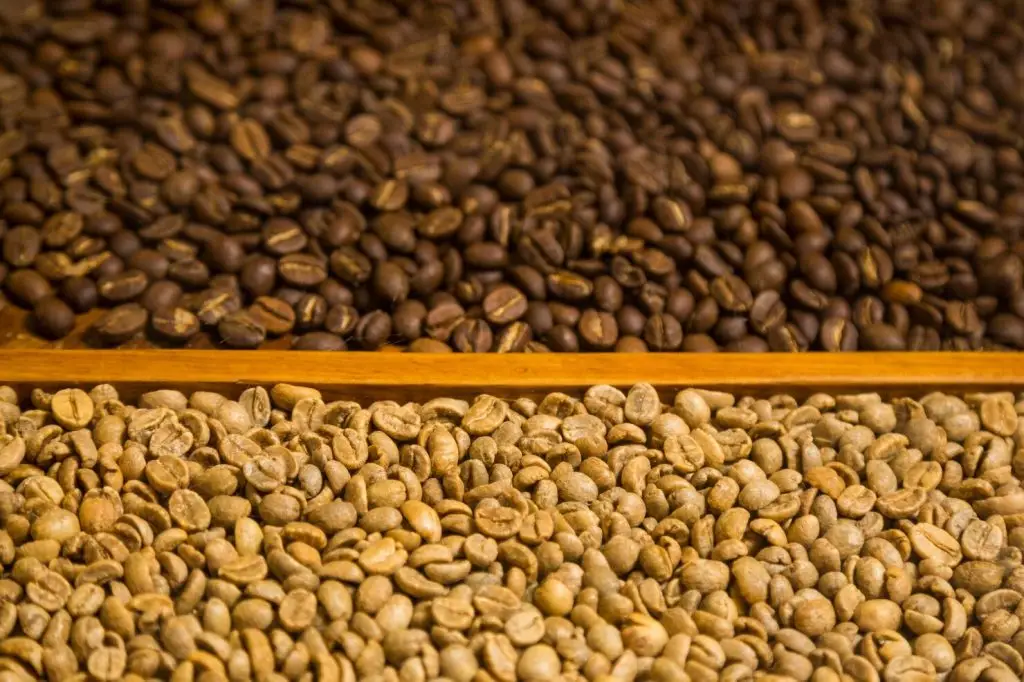
Talk to any experienced roaster and they will tell you the same thing. The decisions that shape a great cup of coffee happen long before the beans hit the drum. For importers in Poland and Romania, green coffee beans are where everything begins — and getting that foundation right determines how well everything else performs down the line.
What Are Green Coffee Beans?
Simply put, green coffee beans are coffee seeds that have been harvested, processed, and dried but never roasted. No dark color, no familiar aroma — just pale green seeds packed and ready for whoever is doing the roasting.
You will also hear them called raw coffee beans or unroasted coffee beans depending on the supplier or the country you are buying from. Same product, different label. Worth knowing before you start reading through export documentation for the first time.
Benefits for roasters/importers
Buying roasted stock is easy. Buying green takes more planning — but that extra effort buys you something roasted stock never can. Control.
When you source green, you decide the roast level. You build your own blends. You test profiles until something works for your customer base and then you repeat it. That kind of consistency is very hard to achieve when someone else has already done the roasting for you.
A few other reasons green coffee makes commercial sense:
- Shelf life is significantly longer than roasted stock when storage conditions are right.
- Bulk planning becomes easier when you are not working around someone else’s roasting schedule.
- Private-label programs are far more viable when you control the roasting side.
- Cost per kilo drops considerably when you buy raw green coffee beans at volume.
For wholesale buyers in Eastern Europe, those advantages add up fast.
What Processing Actually Does to the Bean
Two bags from the same farm and same harvest year can taste completely different. That difference almost always comes down to how the coffee was handled after picking. Here is what each method actually does:
- Washed — fruit is removed quickly, giving a cleaner and brighter cup with defined acidity.
- Natural — fruit dries around the seed, pushing sweetness and heavier body into the bean.
- Dry processed — slower drying creates bolder, deeper flavors with more character in the cup.
A Warsaw roaster building a filter menu and a Bucharest buyer sourcing for espresso blends need completely different things. Processing is often what makes one lot right and another one wrong.
Market demand in Poland & Romania
Both markets have grown up a lot over the past five years. Polish buyers are largely chasing consistency — reliable lots that can anchor a café menu or a retail bag season after season. The specialty segment there has real momentum and buyers are getting more specific about what they want.
Romanian importers tend to balance a few things at once. Flavor quality matters, but so does pricing flexibility and the ability to adjust order sizes without a long back-and-forth with the supplier. In both countries, vague specifications and unreliable export timelines are the fastest way to lose a buyer permanently.
How to import efficiently
Paperwork sorted late causes delays. Delays cost money. That is really the whole story with importing efficiently.
Confirm your product specifications before anything else moves. Get a sample in hand before a large order is agreed. Know your port details, your freight partner, and your customs requirements before the shipment date is set. Keep records of every agreed term in writing.
Cents Coffee supplies Ugandan Arabica and Robusta green coffee to roasters, importers, and wholesale buyers across international markets. If you are planning your next bulk order, reach out today and request a quote.
GYIK
What are green coffee beans and why are they in high demand globally?
Roasters buy them to control flavor, freshness, and blend consistency — things that finished roasted stock simply cannot offer.
Are green coffee beans the same as raw or unroasted coffee beans?
Yes, different terms for the same thing. All three mean coffee that has been processed but not yet roasted.
How do coffee processing methods affect green coffee bean quality?
Washed lots tend to taste cleaner and brighter. Natural and dry-processed lots push more body and sweetness into the cup.
How is coffee graded and why does it matter when buying green coffee beans?
Grading checks screen size, moisture, and defects — it tells you what a lot is actually worth before you commit to the volume.
Where can you buy high-quality green coffee beans for bulk import?
Go directly to exporters with verified specs, sample availability, and a real track record handling repeat international orders.