







Ever opened a bag of coffee that smelled amazing at the store but tasted like warm cardboard at home?
That frustration is painfully common.
Finding the best coffee beans for your daily brew does not require a barista certificate or a thousand-euro machine. It just requires paying attention to a few simple things that most people ignore.
Let me walk you through exactly what works.
The Real Problem with Most Coffee Bags
Walk into any supermarket. Grab three different bags. Flip them over.
What do you see? A “best before” date that is two years away. That tells you nothing useful
Here is what actually matters when you choose coffee:
- Roast date – should be within the last four weeks
- Origin name – a specific country, not just “100% coffee.”
- Bag type – one-way valve keeps air out after roasting
- Batch size – smaller batches mean less time sitting around
When you buy coffee beans in Europe, ignore the fancy packaging. Find the roast date first. If it is missing, put the bag back.
Why Arabica Shows Up Everywhere
Stop inside a cafe in Vienna. Or Paris. Or Rome. Chances are, they are pouring Arabica.
Arabica coffee beans are loved by European drinkers because these beans grow slowly at high altitudes. Cool nights create more natural sugar inside each bean. More sugar means a sweeter, smoother cup that does not punish small mistakes in your brewing.
Robusta has its place. But for home brewing? Stick with Arabica until you know exactly what you want.
Fresh Roasted vs. Packaged: Night and Day
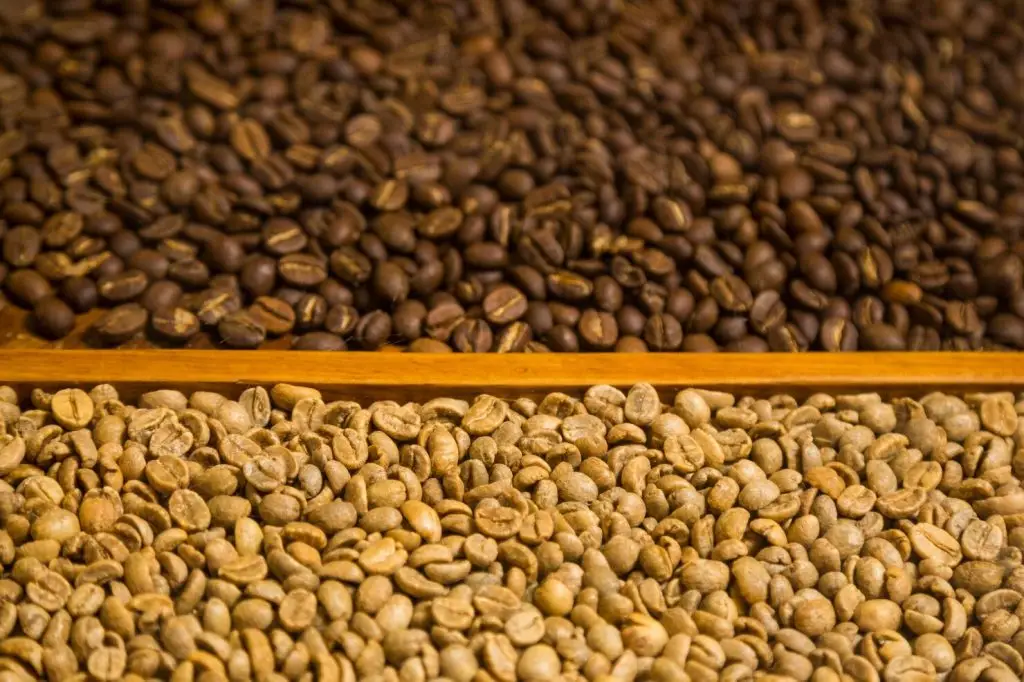
Packaged supermarket coffee often sits for six to eight months before you even open it. The oils dry up. The smell disappears. The taste becomes flat and papery.
Fresh roasted coffee beans arrive within two weeks of roasting. The difference is not small. It is enormous.
Look at what changes:
- Smell – fresh beans fill the room. Old beans smell like nothing.
- Crema – fresh gives thick, golden crema. Old gives thin white foam.
- Bloom – fresh grounds puff up when water hits them. Old grounds just get wet.
- Aftertaste – fresh leaves a clean finish. Old leaves a dry, unpleasant feeling.
You do not need a fancy palate to notice these differences. Anyone can taste them.
How Often Should You Buy?
Do not treat coffee like pasta or rice. Coffee does not improve with age. It only gets worse.
Here is a simple buying rhythm that works for most homes:
| Days After Roasting | What to Expect |
| Days 3 to 7 | Good, but still settling |
| Days 8 to 20 | Peak flavor (best time to brew) |
| Days 21 to 30 | Still fine but fading noticeably |
If you drink two cups a day, a 250g bag lasts about 14 days. That fits perfectly into the peak window. Store beans in a dark cupboard. Away from the stove. Away from the window. Never in the fridge or freezer.
Do Different Suppliers Really Taste Different?
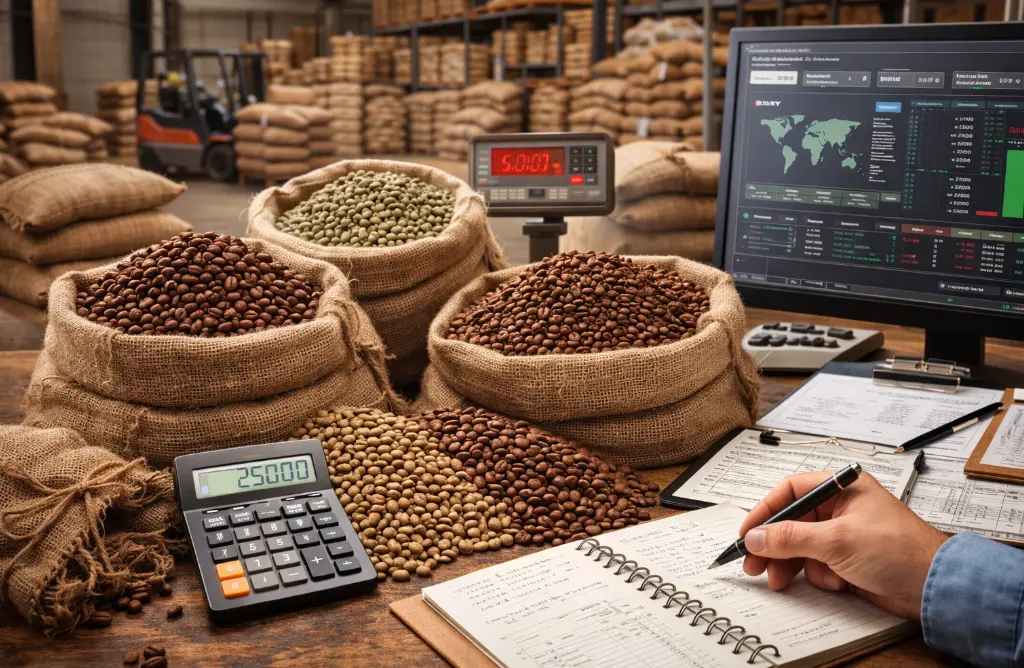
Yes. And that is actually good news. Two different coffee suppliers in European countries might buy from the exact same farm. But the coffee will taste completely different. Why? Because each roaster uses different machines, different temperatures, and different timing. One goes fast and hot for a darker, smokier result. Another goes slow and low for a brighter, fruitier result.
The only way to know your preference is to try three suppliers over the course of a few months. Keep simple notes. “Smooth and chocolatey.” “Too sharp for my taste.” Over time, you will recognize what works for you without overthinking it.
A Simple Way to Start
You now know what to look for, how often to buy, and why freshness beats branding every time.
If you want beans sourced directly from farms with clear roast dates and no middlemen, take a look at Cents Coffee. Straightforward. Fresh. Made for home brewers who just want a good cup without the hype. Your mornings do not need a better machine. They just need better beans.
FAQs
How do I choose the best coffee beans for home brewing?
Look for a visible roast date within four weeks and a single-country origin name on the bag.
Are Arabica coffee beans better for home brewing in Europe?
Yes, for most home brewers. Arabica is more forgiving and produces a sweeter, smoother cup than Robusta.
What is the difference between fresh roasted and packaged coffee beans?
Freshly roasted arrives within two weeks of roasting. Packaged beans often sit for months and lose their oils and aroma.
How often should I buy fresh roasted coffee beans for home brewing?
Every two weeks, if you drink two cups daily. Order your next bag when you open the current one.
Do coffee beans from different European suppliers taste different?
Yes, significantly. Each roaster uses different equipment and techniques, even when buying from the same farm.