The Uganda Robusta coffee is also highly treasured because of its boldness, low acidity, and stable commercial viability. To buyers, roasters, wholesalers, and importers, understanding the distinction between Screen 12, Screen 15, and Screen 18 assists in making the correct choices of beans to use in blends, espresso, or bulk purchases. It is an overview of the key grades of robusta coffee that Uganda has to sell so that customers can compare the size, flavor profile, and exportability with more confidence.
Introduction: Why Uganda Robusta Coffee Is Special
Uganda is among the most significant sources of Robusta in the world since Robusta is indigenous to the country and continues to play a significant role in coffee production. That puts Uganda in a good light among the global consumers who desire a reliable supply and a familiar cup profile of Robusta. Uganda is a good country to consider when considering uganda robusta coffee since the country has both origin value and export relevance.
Uganda’s coffee heritage and global reputation
Uganda Robusta coffee has a strong identity in the global market because Robusta is indigenous to Uganda, and CENTS COFFEE states that Robusta represents about 80% of the country’s coffee production. The company also presents itself as a Uganda Coffee Development Authority-certified exporter working directly with farming communities across major coffee-growing regions, which adds sourcing credibility for buyers exploring robusta coffee grades Uganda offers.
This matters because buyers are not only looking at the origin on paper. They are comparing taste style, uniformity, exportability, and supply assurance. To importers, wholesalers and roasters interested in purchasing robusta coffee online, Uganda is still a viable source that can be considered since it offers both scale and a familiar Robusta profile that can be used in commercial blends and in espresso.
Importance of bean grading for flavour and consistency
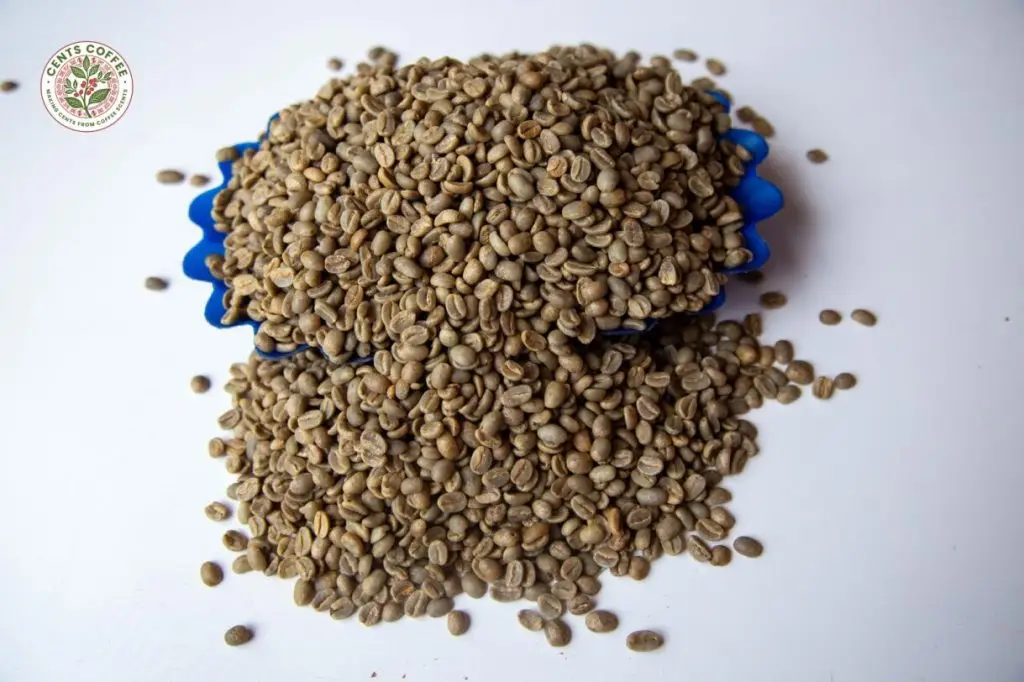
Grading helps buyers understand how bean size may affect roast consistency, visual uniformity, and end use. Screen 12, screen 15 coffee, and screen 18 coffee each refer to sieve sizes, and those sizes help distinguish smaller, medium-large, and larger beans in export lots. On the CENTS COFFEE product pages, each grade is linked to a different balance of body, flavour profile, and commercial positioning.
For buyers sourcing premium Robusta beans, grading is one of the easiest ways to compare lots before moving to sampling. It does not decide quality by itself, but it does offer a practical starting point for choosing Uganda Robusta coffee for espresso, blends, or larger-volume purchases.
Understanding Robusta Coffee Grading
Robusta coffee grading helps buyers understand the size, consistency, and commercial use of different bean lots before ordering. In Uganda Robusta coffee, Screen 12, Screen 15, and Screen 18 are size-based grades that help buyers compare boldness, bean uniformity, and suitability for blends, espresso, or premium roasting needs.
Screen 12 – Small beans, bold chocolatey flavour
Screen 12 coffee is the smaller-bean grade in this range, measured at 12/64 of an inch. CENTS COFFEE describes it as full-bodied, low in acidity, and known for chocolatey, nutty, earthy, and sometimes slightly winey notes. It is also positioned as a useful choice for strong espresso blends because it adds body and boldness.
In practical buying terms, screen 12 coffee may suit
- Commercial blends that need a stronger Robusta character.
- Buyers who want a bold cup profile with lower acidity.
- Roasters looking for value-led Uganda Robusta coffee with espresso potential.
Screen 15 – Medium-large beans, earthy and nutty profile.
Screen 15 coffee sits in the medium-large category at 15/64 inches. On the site, it is described as a dependable commercial grade with a full body, low acidity, and notes such as earthy, nutty, and dark chocolate and, at times fruity or rum-like character. It is also presented as a staple for espresso because of its crema performance and balanced commercial value.
For many buyers, screen 15 coffee is the middle ground option because it offers the following:
- A more uniform bean size than smaller screens.
- A strong but approachable profile for blends.
- Flexibility for both wholesale roasting and espresso programs.
Screen 18 – Large beans, premium espresso quality
Screen 18 coffee is the largest of the three, measured at 18/64 inch. CENTS COFFEE presents it as a premium, large-bean grade with a bold body, rich aroma, low acidity, and chocolate-led cup profile with occasional fruity or winey notes. It is also placed on the product page as the highest commercial grade of Ugandan Robusta and a desirable fit for high-quality espresso blends.
This is why screen 18 coffee is often considered when buyers want premium Robusta beans for
- Cleaner visual uniformity.
- Stronger espresso positioning.
- Larger bean presentation for higher-end commercial use.
Export Standards for Robusta Coffee
Export standards assist the buyers in making a clearer comparison of Uganda Robusta coffee before an order is placed. They include such crucial information as packing format, moisture level, defect limits, and port of loading, which brings importers and bulk buyers to a more confident selection of the appropriate grade.
Packaging: jute bags and net weight
Across screen 12 coffee, screen 15 coffee, and screen 18 coffee, CENTS COFFEE lists the same base export packing format: jute bags with a net weight of 60 kgs. The Quality page also notes that packing can be done as per client requirements, which is useful for buyers who need flexibility for shipping or warehousing plans.
Moisture content, black beans, broken beans, limits
The listed export standards are consistent in some areas and grade-specific in others. All three Robusta grades are shown with moisture at 12.5% max and foreign matter at 0.5% max. The differences appear in defect limits:
- Screen 12 coffee: black beans. 3% max, broken beans, 4% max.
- Screen 15 coffee: black beans. 2% max, broken beans 2% max.
- Screen 18 coffee: black beans. 1% max. broken beans, 2% max.
These differences help explain why larger-screen lots are often discussed more often in conversations around premium Robusta beans and espresso-focused buying.
POL (Port of Loading) and global delivery
For all three grades, the Port of Loading listed on the product pages is Mombasa, Kenya. CENTS COFFEE also emphasizes traceability, warehousing controls, and shipping oversight on its Quality page, which supports buyers who want to buy robusta coffee online through a quote-based export process rather than through a standard retail cart.
Choosing the Right Robusta Grade for Your Needs
Choosing the right Robusta grade depends on how you plan to use the coffee. Screen 12, Screen 15, and Screen 18 each suit different needs, so buyers should compare body, bean size, consistency, and end use before selecting the best option.
Commercial blends vs specialty espresso
The right grade depends on your end use. If your priority is stronger cup impact and commercial blending value, screen 12 coffee or screen 15 coffee may be practical options. If you are sourcing for a more premium espresso profile with larger beans and tighter defect limits, screen 18 coffee may be the better fit.
A simple way to choose is
- Screen 12: bold body for commercial blends.
- Screen 15: a balanced option for espresso and wholesale use.
- Screen 18: premium Robusta beans for higher-end espresso positioning.
Tips for home roasters and bulk buyers
Before placing an order, it helps to sample by use case rather than by size alone. Home roasters might be interested in comparing the response of the roast between screen 12 coffee and screen 15 coffee, whereas bulk buyers might be more interested in consistency, tolerance to defects and shipment needs. The quote-led model is particularly applicable to CENTS COFFEE customers who desire to purchase robusta coffee online and, at the same time, verify the grade specifications, packing conditions, and export information prior to making a purchase.
A few practical tips:
- Request current specs before confirming volume.
- Choose by roast application, not only by screen size.
- Compare whether you need commercial value or premium Robusta beans.
- Use the quote option if you want to buy robusta coffee online with export support.
FAQs
What are the different Robusta coffee grades in Uganda?
On CENTS COFFEE’s site, the listed Uganda Robusta coffee grades are Screen 12, Screen 15, and Screen 18. These grades are separated by bean size and export specifications, helping buyers compare robusta coffee grades that Uganda exporters offer.
Which grade is best for espresso?
Screen 18 coffee is packed as a high-end espresso-based product, but Screen 15 coffee is also packed in strong espresso grade to maintain the flexibility of commercial use. The wiser option will be defined by your preference between a high-quality presentation and a wider scope of blend value.
How does bean size affect flavour?
Bean size does not define quality on its own, but it can influence roast uniformity, sorting expectations, and how a lot is used commercially. On the site, screen 12 coffee is described with a bolder, chocolatey profile, while screen 18 coffee is positioned as cleaner and more premium in espresso use.
Can I buy Uganda Robusta online?
Yes. CENTS COFFEE supports quote-based inquiries through its website, which gives buyers a practical way to buy robusta coffee online while checking grade, packing, and export details before ordering.