










Most people blame their equipment when a cup disappoints. The grinder, the water, the machine. Rarely the beans. Yet the best coffee beans for an espresso machine are a completely different animal from what works in a French press—and getting that pairing wrong is the most common reason a good setup still produces a flat result.
Your Equipment Has Preferences — Learn Them First
Espresso machines extract under high pressure in under thirty seconds. That process rewards dense, well-developed beans with low acidity and strong body. Pour-over brewing is the opposite — slow, gentle, and highly transparent, meaning it amplifies delicate fruit notes that pressure-based methods would crush entirely. A French press sits somewhere in between, favouring heavier, oilier beans that hold up through a long steep without turning harsh.
Before thinking about origin or price, understand what your brewing method physically does to a bean. That alone narrows the decision considerably.
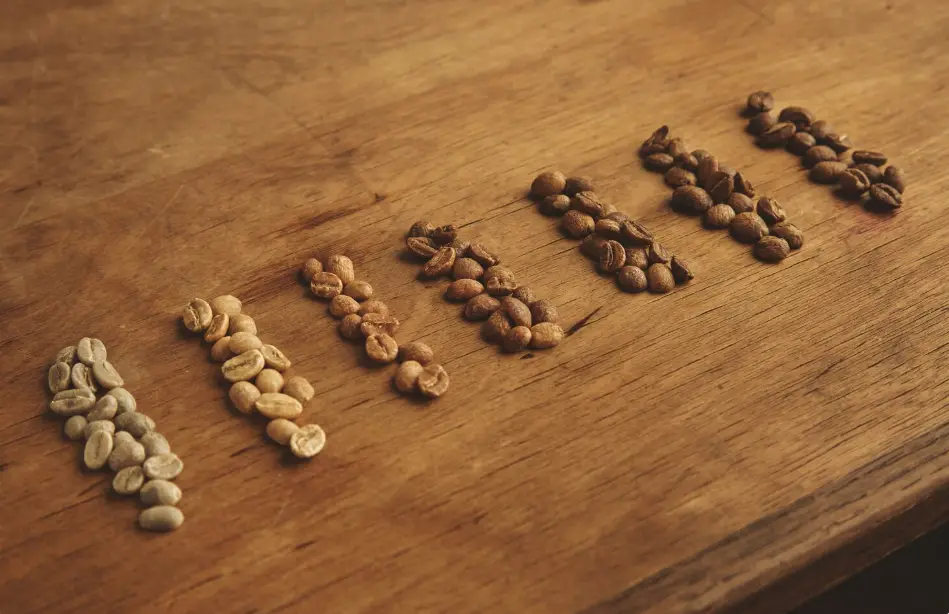
How Roast Level Connects to Brewing Style
This is where most buying decisions either click or fall apart:
- Light roast — preserves the bean’s natural fruit and floral character. Ideal for pour-over, Aeropress, and Chemex, where clarity matters.
- Medium roast—balanced and smooth, with enough body for drip machines and Moka pots without being overpowering.
- Dark roast — bold, low-acid, and heavy-bodied. The natural match for espresso and French press.
- Every bean carries a coffee flavor profile that roast level either highlights or transforms—a fruity Ugandan Arabica roasted dark tastes nothing like the same bean roasted light.
Where the Bean Comes from Still Matters
Origin shapes what a bean is capable of before roasting begins. Ugandan highland Arabica—grown on the slopes of Mount Elgon and the Rwenzori range—brings a clean brightness and natural complexity that suits filter brewing particularly well. Ugandan Robusta, often underestimated, delivers a fuller body and earthy depth that adds real character to espresso blends.
Knowing the origin gives you a reliable flavour expectation before the bag is even opened. A seller who cannot tell you where the beans were grown is also a seller who probably cannot tell you much else about what you are buying.
Reading Any Coffee Bag in Under a Minute
Before any purchase, four details on the bag tell you almost everything you need to know:
- Check the roast date first — roasted coffee peaks within four weeks of that date.
- Look for the processing method — washed, natural, or honey-processed. Each produces a noticeably different cup.
- Find the origin detail — country and region, minimum, farm level if available.
- Note the bean grade — for East African beans, AA and AB signal size and consistency of the crop.
Getting It Right From the First Bag
Brewing style, roast level, and origin — align those three, and the cup starts making sense. Cents Kávé sources top rated coffee beans directly from Ugandan farms, with full origin detail and consistent grading across both Arabica and Robusta. For anyone serious about getting the pairing right, that transparency is exactly where a good decision starts.
GYIK
How do I choose the best coffee beans for my brewing style?
Match roast level to your method first — light for filter, dark for espresso. Then let origin guide the flavour direction you prefer.
Are Arabica beans considered the best coffee beans for all brewing styles?
Best Arabica beans excel in filter and light-roast methods, but Robusta adds body and crema to espresso. Neither wins every category.
How does coffee flavor profile affect the choice of coffee beans?
A bean’s coffee flavour profile tells you what the cup will taste like before you brew — matching it to your taste preference removes most of the guesswork.
Can the same coffee beans be used for multiple brewing styles?
A medium roast from a balanced origin is the most flexible choice and performs well across most common brewing methods.
Why are Arabica beans preferred in premium coffee selections?
Arabica grows slowly at high altitude, developing more complexity along the way — which is why premium coffee bean selections favour it consistently.