

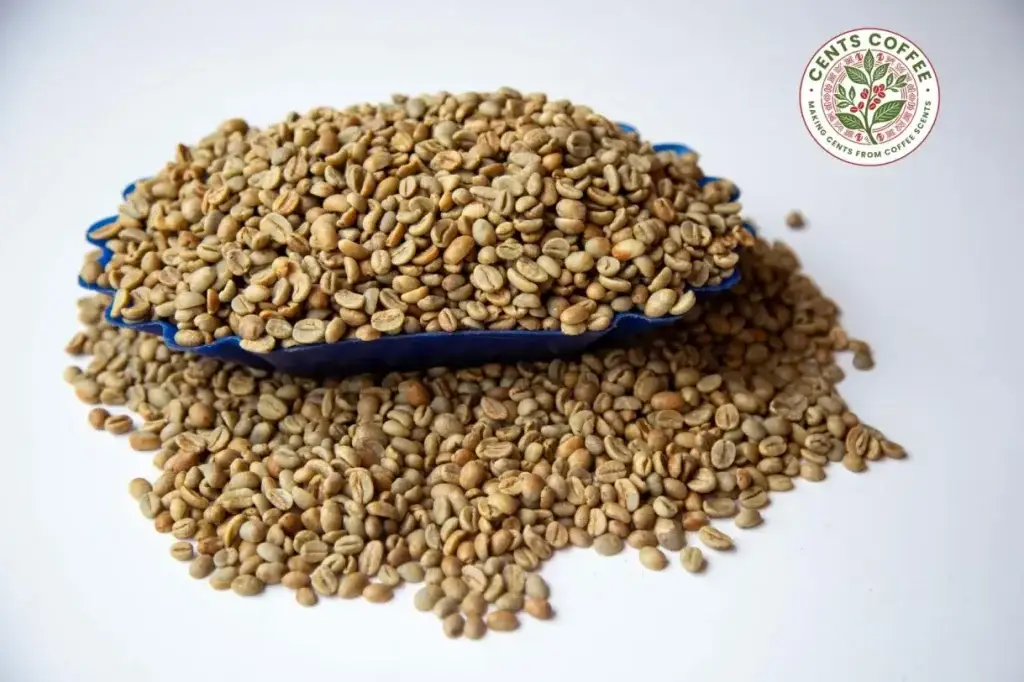
Dry processed Arabica coffee is rated on the basis of its natural sweetness, full body and cup characteristics, particularly when it is produced in high altitude areas. To buyers, roasters, and cafes, Drugar coffee Uganda has a good mix of origin attraction, speciality, and export potential, hence it is a viable model in high-value coffee programs.
Introduction: What is Drugar Coffee?
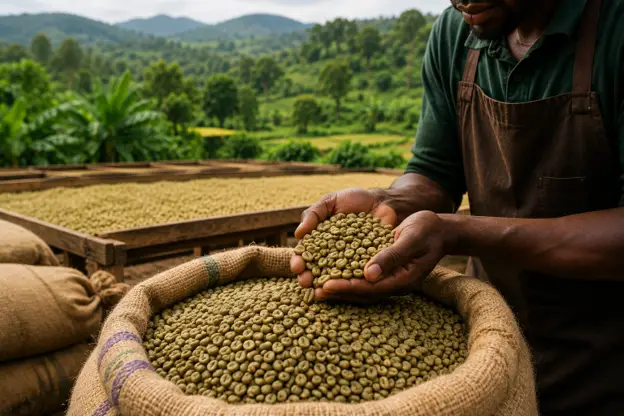
Drugar coffee refers to Uganda Arabica that is naturally processed, where the coffee cherry is dried before the bean is removed. This process helps create a sweeter, fruit-forward, and fuller-bodied cup, which is why it stands out among speciality Arabica beans and attracts buyers looking for premium green coffee with more character.
Dry processed Arabica explained
Buyers looking for premium Arabica often face one common problem: many coffees sound impressive on paper, but far fewer offer a clear balance of flavour identity, processing value, and export relevance. dry processed Arabica coffee answers those needs in a more practical way. Drugar, often understood as Dry Uganda Arabica, refers to Arabica beans that are naturally processed, meaning the coffee cherry is dried around the bean before milling. This method gives the coffee a deeper fruit character, a fuller body, and a more expressive profile than many standard commercial lots.
For commercial buyers, this matters because processing is not just a production detail. It directly shapes sweetness, aroma, body, and the final market appeal of the coffee. A naturally processed Arabica can offer more cup personality, which is especially useful for speciality roasters. private-label brands, and cafés looking for a coffee that feels more distinctive in the cup. That is one reason Drugar Coffee Uganda stands out as more than just another Arabica listing.
This type of coffee is especially attractive to buyers who want the following:
- Stronger origin character
- Natural sweetness in the cup
- A fuller mouthfeel
- A story that fits the speciality positioning
Uganda’s high-altitude regions for Drugar
The strength of Drugar also comes from where it is grown. Uganda’s Arabica-producing areas, especially high-altitude regions linked with mountain-grown coffee, give these beans a stronger specialty profile. The elevation tends to be higher, therefore, resulting in lower temperatures and slower cherry maturity and can usually lead to a denser bean with more stratified flavour.
For buyers, high-altitude coffee has real value because altitude can influence cup complexity, aroma expression, and roast response. A high-grown Arabica is often better suited to premium roasting programs than flat, lower-grown commercial coffee. That is why Uganda’s Drugar can appeal to importers and roasters looking for coffees with both origin value and business potential.
This regional advantage helps explain why specialty Arabica beans from Uganda deserve closer attention. The appeal is not only that they come from a respected coffee origin. It is that altitude that supports the quality traits many buyers look for when evaluating premium green coffee for serious use.
Flavor Profile and Aroma
The flavour profile of Drugar is one of its biggest commercial strengths because it offers sweetness, fruit character, body, and a richer aroma in the cup. For buyers looking at natural processed coffee, this makes Drugar more appealing for speciality roasting, café menus, and premium coffee positioning.
Sweet, fruity, and full-bodied
One of the biggest reasons buyers consider Drugar is its cup profile. Dry-processed Arabica coffee is often appreciated for bringing together sweetness, fruit notes, and body in a way that feels both lively and commercially useful. Rather than delivering a plain or one-dimensional cup, this style of coffee can show berry-like sweetness, chocolate-toned depth, and a fuller texture that lingers well on the palate.
This profile works well for businesses that want a coffee with the following:
- Fruit-led sweetness.
- Increased body to improve cup presence.
- Wealthy enough to do premium menu placements.
- Scalability of single-origin and blend usage.
For roasters, this creates room for better differentiation. For cafés, it gives menu appeal. For distributors, it offers a product that can be positioned above ordinary commercial Arabica. That is why speciality Arabica beans with this kind of profile are commercially valuable. They help buyers tell a clearer story and create a more memorable product.
Natural process enhancing flavor complexity
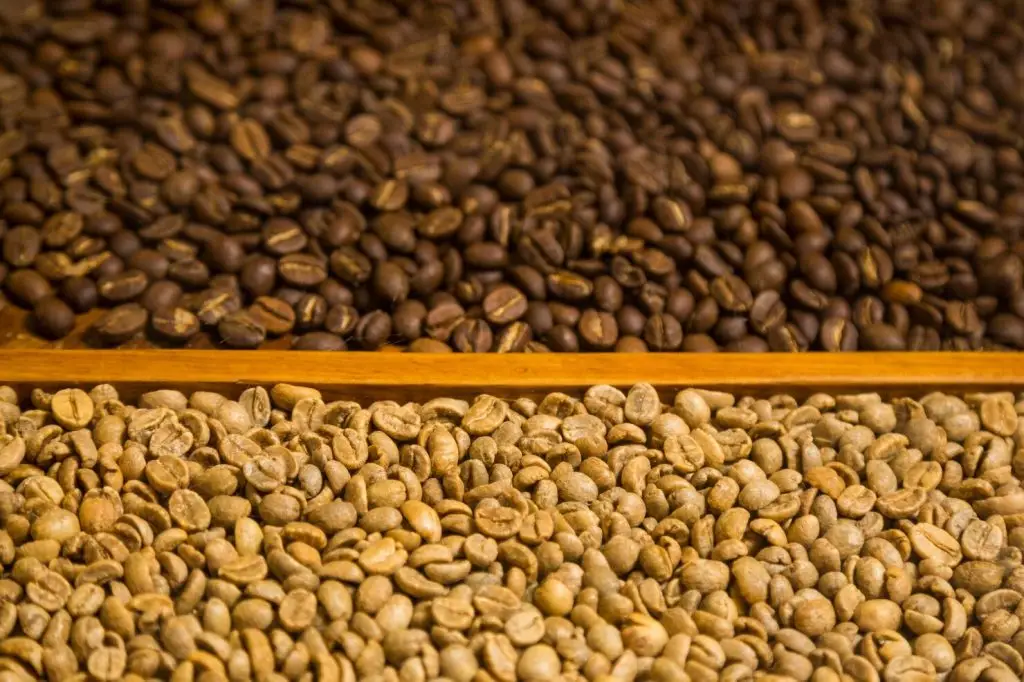
The natural process plays a major role in what makes Drugar appealing. Because the bean dries with the fruit still around it, more of the fruit sugars and surrounding compounds influence the final flavour. This is why natural processed coffee often feels sweeter, more aromatic, and more layered than coffees processed in a cleaner, more stripped-back style.
For buyers, flavour complexity is not just a tasting note. It affects product positioning. More complex coffee can be employed more efficiently in speciality retailing, featuring cafe sales and quality-oriented roasting lines. Drugar does not sound generic but rather provides the buyer with usable cup direction: sweetness, body, fruit character, and aromatic richness. This makes it especially relevant for the following:
- Speciality coffee espresso deals.
- Filter coffee menus led by origin.
- Premium retail packaging.
- Mix preservation, which requires sweetness and depth.
Complexity is a value to add in the business world, as it provides more to deal with for the buyers. It can improve sensory appeal, strengthen product identity, and support better market positioning.
Best Uses and Brewing Tips
Drugar coffee is versatile in both speciality commercial and home brewing due to its sweetness, body and flexibility in brewing. It is compatible with espresso mixes, pour over, French press and cafe programs, hence it is an effective selection among buyers who seek to have a more expressive Arabica selection.
Home brewing and espresso blends
Although Drugar is highly relevant for B2B sourcing, it also performs well across advanced home brewing and espresso use. Its natural sweetness and fuller body make it especially useful in brewing methods that can highlight richness while preserving the fruit profile. For buyers building espresso blends, this matters because dry-processed Arabica coffee can add body, sweetness, and a softer fruit expression without making the cup feel too sharp.
Practical brewing options include:
- Espresso machines.
- Pour-over setups.
- French press.
- Moka pots.
A few useful brewing tips can help bring out its best qualities:
- Use a medium roast to protect the sweetness and aroma.
- Avoid over-extraction, which can flatten the fruit notes.
- Adjust grind size based on the brewing method.
- Test in blends when extra body and sweetness are needed.
For commercial programs, Drugar coffee Uganda is especially effective in espresso blends that need depth and roundness. For home brewers, it offers a more expressive alternative to standard commercial Arabica.
Specialty roasters and cafes
Drugar is a strong fit for speciality roasters and cafés because it brings both sensory value and a sellable story. Buyers in this segment are often looking for coffees that are not only good to drink but also easy to position for customers who care about origin, processing, and cup character. That is where speciality Arabica beans like Drugar become useful.
For a speciality roaster, Drugar offers:
- A high-altitude Uganda origin story.
- Natural processing appeal.
- Fuller-bodied cup potential.
- A profile suited to premium offerings.
For cafés, it can work well as a featured espresso component or as a filter option with more fruit and body than standard commercial coffees. For private-label brands, it offers a coffee that feels origin-led and more marketable in premium packaging.
This flexibility gives Drugar broader business relevance. It is not limited to one type of buyer. It can suit boutique café operators, independent roasters, premium retailers, and distributors looking for a differentiated Arabica line.
Export Standards for Drugar Coffee
Export standards are important because they help buyers assess whether a coffee is ready for safe storage, transport, and bulk purchase. For Drugar coffee Uganda, details like packaging, moisture control, defect limits, and shipping support help international buyers compare quality and export readiness more confidently.
Packaging, moisture, and defect limits
For international coffee buyers, flavour is only one part of the decision. Export discipline matters just as much. A coffee may sound excellent in a profile description, but if it lacks handling clarity, stable moisture, or proper bulk preparation, it becomes a risk. That is why export-grade Arabica needs to be evaluated with a practical eye.
Important export factors buyers should review include the following:
- Jute bag packaging for shipment handling.
- Moisture limits for safe storage and transport.
- Defect tolerance and sorting consistency.
- Bean uniformity for roasting predictability.
These details matter because they influence the coffee long before it reaches the cup. Moisture affects storage stability. Packaging affects transit safety. Defect levels influence roasting efficiency and cup cleanliness. For importers and distributors, these are not minor technical points. They are part of the buying decision itself.
For this reason, premium green coffee should always be assessed not just for flavour promise but for shipment readiness and lot consistency as well.
Global shipping and bulk export
Supplier reliability and export assistance are as important to buyers who source large quantities as origin and flavour. When the supplier can assist with sample requests, communicate with bulk orders and be prepared to ship the products in a concise manner, a product, such as Drugar coffee of Uganda, becomes more appealing. That is especially important for importers, roasters, and distributors who need confidence before placing larger orders.
If you are evaluating dry-processed Arabica coffee for speciality retail, roasting operations, or café programs, it helps to work with a supplier that understands commercial requirements. Buyers typically want more than basic product presence. They want clarity on bulk availability, export handling, and lot suitability.
This is why businesses often check for the following:
- Quote-based inquiry support.
- Bulk shipment readiness.
- Transparent product specifications.
- Export-friendly communication.
If you are sourcing premium green coffee for your coffee program, request a sample or quote from Café Cents to review cup profile, processing suitability, and export readiness before moving into larger-volume purchasing.
Preguntas Frecuentes
What makes Drugar coffee unique?
What makes Drugar coffee Uganda special is that it is made in a natural way, at high altitudes, and has a sweeter, fuller-bodied cup profile. Such a blend offers customers coffee of a more fruit-driven character, enhanced aroma and higher speciality than much of the offered standard commercial Arabica.
How is dry Arabica processed in Uganda?
Dry Arabica is processed by drying the whole coffee cherry before the bean is removed. This natural method allows more fruit influence to shape the final cup, which is why natural processed coffee often tastes sweeter and more layered.
Can I order Drugar coffee online?
Yes. Buyers interested in dry processed Arabica coffee can order through supplier inquiry or quote-based export channels. When evaluating a supplier, it is best to review grade details, export readiness, and sample availability before placing a bulk order.
Which brewing methods suit Drugar coffee best?
Drugar works well in espresso, pour-over, French press, and moka pot brewing. Its sweetness, body, and fruit-led complexity make it suitable for both café use and quality-focused home brewing.