










Arabica coffee Uganda is valued for its high-altitude origin, refined cup quality, and strong appeal among speciality buyers. For roasters, cafés, and importers, AA and AB grades offer a practical way to compare premium Arabica beans by size, consistency, flavour profile, and export suitability.
Introduction: Why Uganda Arabica Stands Out
Uganda Arabica stands out because it combines high-altitude growing conditions with a stronger speciality identity in the global coffee market. This makes it appealing for buyers who want quality, origin value, and a coffee that can be positioned well in premium and speciality programs.
High-altitude growing regions
Many buyers can source Arabica from different origins, but the real challenge is choosing beans that offer both market appeal and dependable cup quality.That is where arabica coffee Uganda becomes commercially interesting.
Uganda’s Arabica is linked on the site to high-altitude production, and that matters because elevation usually supports slower cherry development, denser beans, and more refined cup potential than lower-grown commodity lots. Cents Coffee also presents its Arabica offer as part of Uganda’s premium coffee identity, which makes this topic especially relevant for roasters, distributors, and specialty-focused buyers.
From a sourcing perspective, altitude is not just a geographic detail. It influences how the coffee performs in roasting, how it expresses aroma, and how it can be positioned in a café or retail program. For buyers evaluating high-altitude coffee, Uganda offers a useful combination of origin story, export relevance, and specialty potential.
Unique flavor and aroma profile
The current product overview suggests Uganda’s AA & AB Arabica is rich and full-bodied, but buyers usually need more than a short description before making a sourcing decision. A stronger way to understand this coffee is by looking at how the origin and grade shape the cup. A properly managed premium Arabica beans of Uganda would be attractive to a consumer who wants a well-rounded profile, aroma that is easily noticed and a cup that is more special than the regular commercial coffee.
In the case of cafes, boutique roasters, and own-label brands, that is important as flavour is directly linked with product positioning.
A coffee with stronger aroma and better balance is easier to market as specialty coffee, easier to present as a premium menu item, and easier to fit into quality-led roasting programs.
Understanding AA & AB Grading
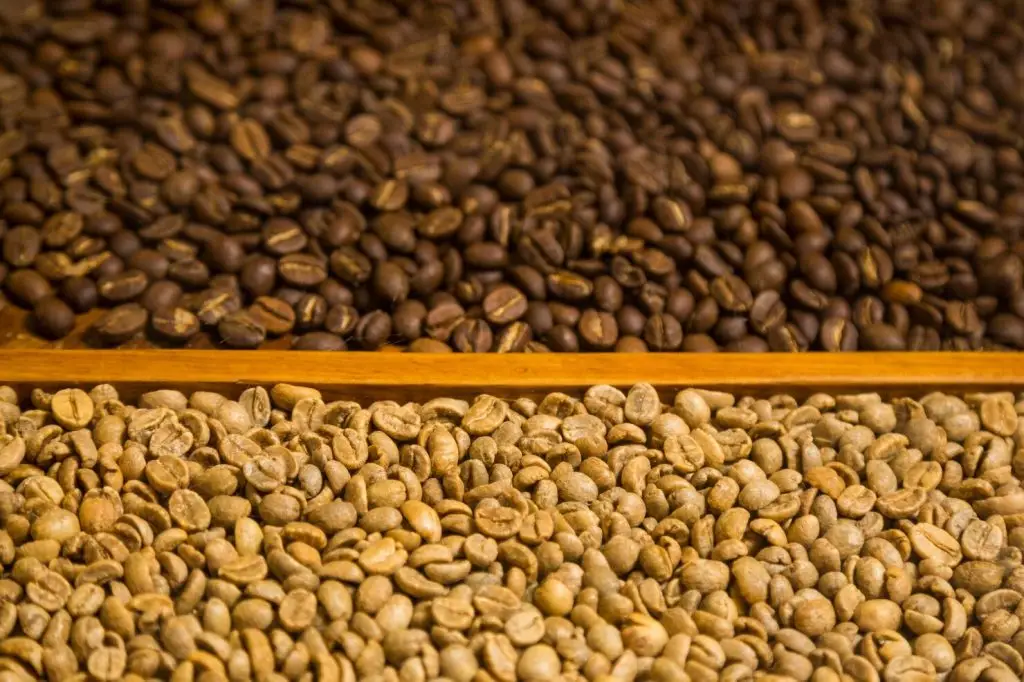
AA and AB grading helps buyers understand bean size, sorting consistency, and expected roasting performance before ordering. For businesses sourcing export-grade Arabica beans, these grades make it easier to compare presentation, cup potential, and commercial value.
Bean size, quality, and consistency
One of the biggest gaps buyers face is confusion around what AA and AB actually mean. In practical terms, these grades are used to indicate bean size and sorting consistency. AA is generally associated with the larger screen size, while AB is slightly smaller, though both can still fall within high-quality commercial and speciality buying standards. The purpose of grading is not to create a simple “good versus bad” label. It is to help buyers understand uniformity, roast expectations, and presentation before ordering.
That is why grading matters in real purchasing decisions. Buyers often compare AA and AB for reasons such as:
- Roast consistency across a batch
- Appearance for premium presentation
- Suitability for speciality or commercial product lines
- Price-to-performance value in bulk sourcing
For importers and roasters, this makes grading a practical evaluation tool rather than just a technical specification.
How grading affects flavour
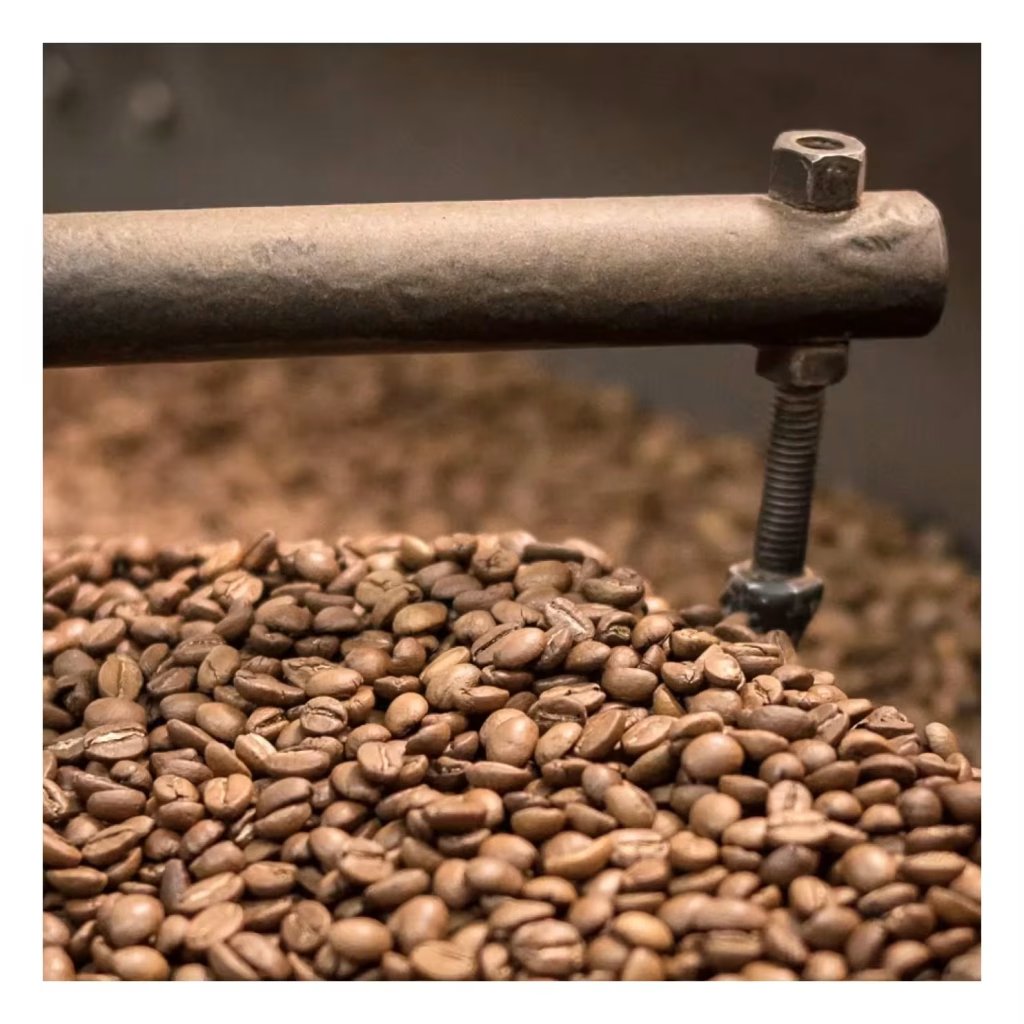
Bean size alone does not decide quality, but it can influence how the coffee behaves during roasting and how the final cup is perceived. Larger AA beans may be preferred when a buyer wants a more premium visual grade and greater roast uniformity. AB can, though, provide great flavour and high commercial value to the buyers who are sensitive to both performance and price.
Here, an astute buyer looks past labels. AA can be more appealing to premium single-origin displays or more expensive speciality lines. AB can better suit cafes, roasters or distributors that desire good quality flavour without sourcing costs so high. In other words, grading affects not only roast management but also business decisions around margin, target audience, and product positioning.
Flavor Profile and Brewing Tips
The profiles of Uganda AA and AB Arabica have been among the primary factors that appeal to speciality coffee consumers. Its entirety, deep fragrance and flexibility in brewing qualify it as a coffee suitable for cafes, home brewers and roasters seeking a quality coffee that has a market appeal as well.
Full-bodied, rich aroma
A strong Arabica offer should not only look good on paper; it should also translate into a satisfying cup. Uganda’s AA & AB Arabica is positioned on the site as rich and full-bodied, which gives buyers a good starting point. In practical sensory terms, full-bodied Arabica is valuable because it creates a deeper mouthfeel, a more memorable aroma, and a stronger identity in premium coffee programs.
This kind of profile can support:
- Single-origin café offerings.
- Premium retail bags.
- Roaster sample programs.
- Balanced blends that still need character
For speciality buyers, a richer aroma and fuller body help the coffee stand out in a crowded market. For commercial buyers, it provides a clearer reason to position the coffee above generic Arabica lines.
Ideal for home brewing and cafes
Although the site clearly leans toward business buyers through its quote and export messaging, this coffee can also suit advanced home brewers and café operators looking for a versatile Arabica option. Depending on the roast profile, Uganda Arabica AA & AB can work well in pour-over, French press, and espresso-based applications.
For brewing, a few practical points help preserve quality:
- Use a grind size matched to the brew method.
- Avoid over-extraction, which can flatten clarity.
- Adjust the brew ratio to highlight aroma and body.
- Test lighter and medium roasts for clearer origin expression.
This versatility makes arabica coffee from Uganda useful for both premium café menus and smaller roasting programs that want a flexible, origin-led coffee with buyer appeal.
Export Standards & Global Availability
The quality of exports and the supply are as important as flavour in the case of foreign coffee consumers. Packing clarity, moisture protection, defect and bulk export services will enable the purchaser to know whether Uganda Arabica AA and AB can fit in their sourcing and shipping requirements.
Jute bag packaging, moisture limits, and defects
For international buyers, flavour is only part of the purchase decision. It is equally crucial for export readiness. The location of the Cents Coffee facility focuses on quality control, lot marking, traceability, sampling, and shipment matching, which creates a more serious export image. Assessing the export-grade Arabica beans, the purchasers need to consider the pragmatic aspects that influence storing, roasting, and shipping performance.
The significant checks typically involve:
- Jute bag packaging for bulk handling.
- Humidity appropriate for transportation and storage.
- Manageable defect levels within commercial expectations.
- Consistency from one lot to the next.
These details matter because they reduce supply risk. A coffee that arrives with unstable moisture or uneven sorting creates problems long before it reaches the cup. For importers and distributors, export discipline is part of the product value.
Global buyers and bulk export options
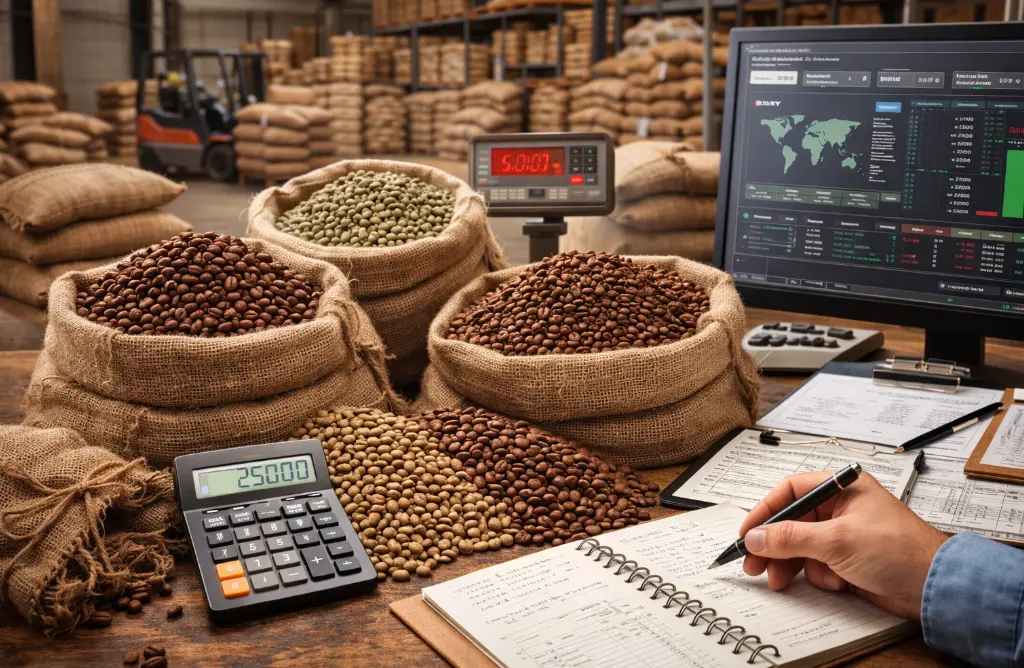
The website already positions Café Cents as a direct exporter with quote-based inquiry paths, international business language, and a focus on green coffee supply. That makes Uganda Arabica AA & AB relevant not just for local resale but also for global buyers building roasting lines, café programs, and distribution portfolios.
If you plan to buy Arabica coffee online, the stronger commercial question is not only where to buy but also how to buy well. Buyers should look for grading clarity, consistent lot handling, responsive export support, and enough product detail to judge whether AA or AB fits their market. If you are sourcing for speciality retail, café use, or bulk roasting, request a sample or quote from Cents Coffee to assess grade suitability, cup potential, and export readiness before placing a larger order.
Preguntas Frecuentes
What is the difference between AA & AB Arabica?
AA is generally the larger bean grade, while AB is slightly smaller. Both can be high quality, but buyers often compare them for roast uniformity, visual presentation, and how they fit premium versus more practical commercial uses.
How should I brew high-altitude Arabica?
High-altitude coffee usually performs best when brewed in a way that protects aroma and balance. Pour-over, French press, and espresso can all work, depending on roast style and the cup profile you want to highlight.
Where can I buy premium Arabica online?
You can buy Arabica coffee online from suppliers that provide clear grade information, export support, and reliable product handling. For Uganda-origin supply, Cents Coffee presents AA & AB Arabica as part of its export-focused product range.
Are these beans ethically sourced?
The site uses language around traceability, direct sourcing, and quality-focused partnerships, which support origin transparency. It does not clearly prove a specific ethical certification on the pages reviewed, so buyers should confirm sourcing details directly when requesting samples or quotes.