









Ask ten roasters across Europe what makes the best coffee beans, and you will get ten different answers. A roaster in Milan is chasing thick crema and dark intensity. A specialty cafe in Warsaw wants something bright, clean, and easy to describe on a menu. Neither answer is wrong. The right bean depends on what you are roasting for, who you are selling to, and whether your supplier can deliver the same quality next season.
What Defines “Best” Coffee?
The word “best” shifts depending on who is buying. Some roasters chase bright origin character and delicate sweetness. Others need a reliable body, a manageable cost, and a bean that holds up in a high-volume espresso program every single day.
What never changes is this. Good green coffee should match the job it is bought for. Specialty coffee beans are typically judged on these factors:
- Origin details and farm-level traceability.
- Processing method — washed, natural, or honey.
- Bean condition, screen size, and defect count.
- Cup profile and how consistently it shows up across the lot.
- Roasting behavior at different temperature profiles.
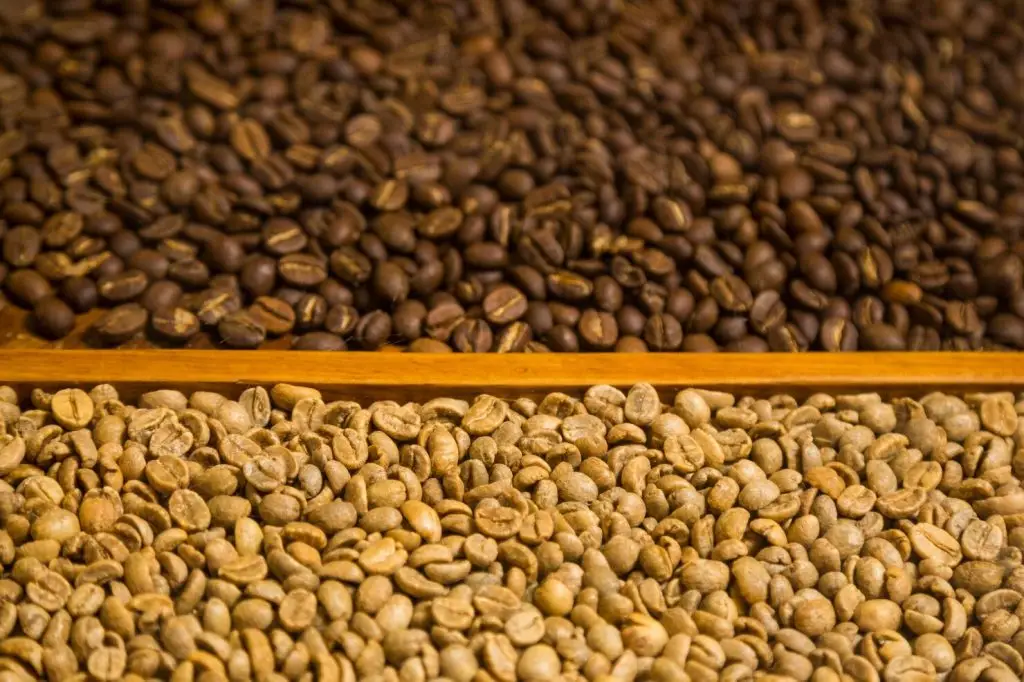
A single-origin Arabica may be perfect on a filter bar. A clean, well-graded Robusta, on the other hand, may be exactly what a commercial espresso blend is missing. So neither should be dismissed before understanding what it is actually being asked to do.
Arabica vs Robusta Comparison
Ta arabica vs robusta coffee debate is simpler than most people make it. Both varieties have a genuine role in European roasting. Here is how they compare side by side:
| Feature | Arabica | Robusta |
| Flavor Profile | Sweet, aromatic, clean finish | Bold, bitter, earthy |
| Body | Light to medium | Heavy and full |
| Acidity | Soft and bright | Low |
| Crema | Lighter | Thick and long-lasting |
| Caffeine Level | Lower | Higher |
| Best Used For | Filter, single-origin, premium retail | Espresso blends, commercial roasting |
| Price Point | Higher | More cost-effective |
Most successful roasteries use both rather than choosing one and ignoring the other.
Which European Markets Prefer Which Beans?
Europe is not a single coffee culture, so buying patterns vary widely by country. Italy leans heavily on espresso blends that combine arabica coffee with Robusta for body and crema. Lighter roasts and known single origins are preferred in Germany and the Nordic markets, however. France and Belgium are in the middle range, and Poland, Romania, and Hungary generally seek to ensure a level of quality that is acceptable in their respective markets at prices they can afford.
How Coffee Quality Grading Helps Buyers Choose Better
Sourcing decisions get sharper once buyers understand basic coffee quality grading. It gives you a reliable way to compare lots fairly before committing to volume. Furthermore, it reduces the chance of receiving stock that performs differently than expected after roasting.
Before placing any order, work through these checks:
- Screen size for bean uniformity across the lot.
- Moisture content for safe storage and roastability.
- Reduced the number of defective cups and reduced sorting waste.
- Processing method and effect on flavor development.
- Origin and traceability information verified by the supplier.
- Taste the sample before buying in bulk.
- Packaging condition, export readiness.
- Supplier history with repeat orders at consistent quality.
Done consistently, these checks build the foundation of a sourcing relationship that holds up over time.
How to Source the Best Beans Globally
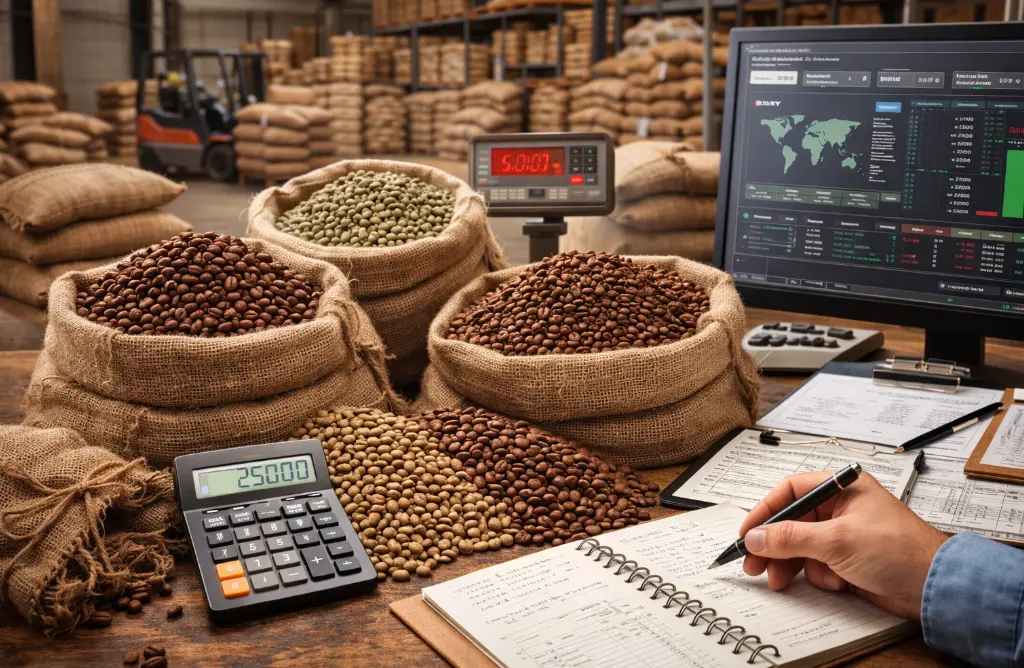
Good sourcing starts with knowing what your roastery actually needs. A filter program and a commercial espresso blend require completely different beans, so get clear on that first. Before committing to any supplier, ask for full specifications, request a sample, and confirm they can handle repeat orders without quality slipping.
If you are searching for the best specialty coffee beans to buy online, origin transparency matters far more than the lowest price. Contact Cents Coffee today to request a quote and source Ugandan Arabica and Robusta built for your market.
Najczęściej zadawane pytania
What are the best coffee beans to buy online in 2026?
That comes down to your roast goals and whether the supplier can repeat quality reliably. A strong sourcing relationship matters more than any single lot.
Arabica vs Robusta coffee: which one is better for taste and profit?
The savvy Arabica is the one who makes the rounds on aroma and premium positioning. Robusta, however, has a claim due to body, crema, and cost control. The majority of the most profitable roasteries use both of them.
How do you identify high-quality specialty coffee beans?
Check origin details, moisture content, defect count, and processing method. Then cup a sample yourself before committing to any volume.
Are Robusta coffee beans good for specialty coffee blends?
Yes. A clean, properly graded Robusta adds crema thickness and depth to espresso blends in ways that Arabica alone simply cannot replicate.
Where can you buy the best specialty coffee beans online at bulk prices?
Go directly to exporters with verified specifications, clear origin details, and sample availability. Also, confirm they have a real track record of handling repeat international orders.