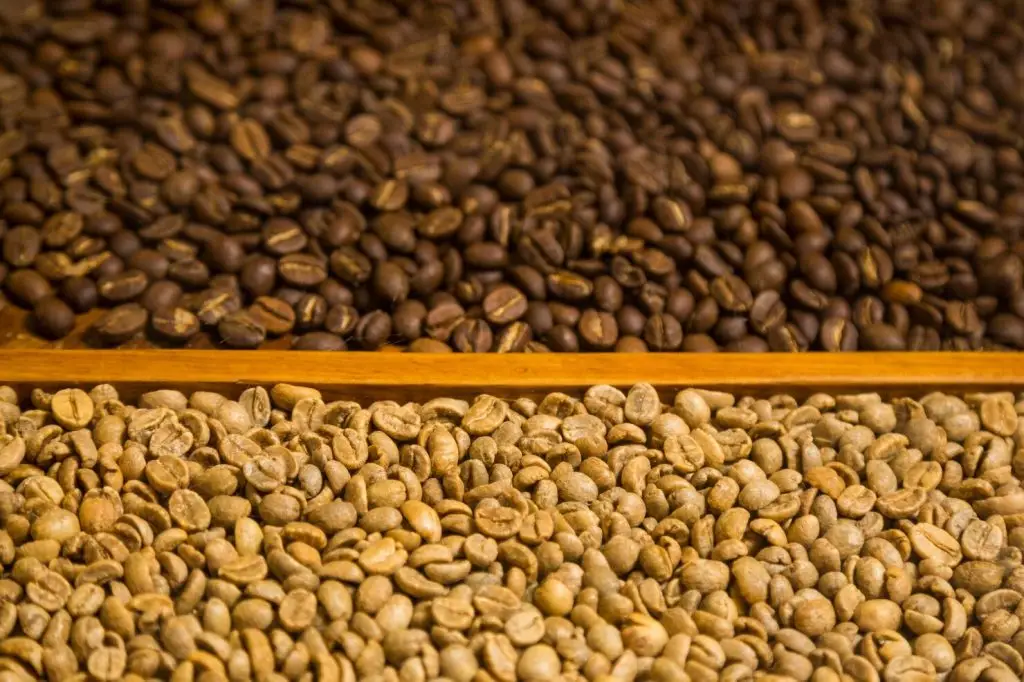










Walk into any busy café in Rome, Paris, or Vienna and the espresso hitting the counter is rarely a single-origin Arabica. Behind most of those shots is a carefully constructed blend — and increasingly, Robusta coffee beans are the ingredient making that blend work. Across European café chains, this variety is moving from background filler to deliberate choice, and the reasons behind that shift are worth understanding.
What Is Actually Driving the Change
European café culture has always valued a thick, lasting crema on an espresso shot — and Arabica alone rarely delivers that consistently at volume. Robusta fills that gap naturally. Coffee trends in European cafés are shifting not because Arabica is losing ground, but because café chains are getting more deliberate about what each bean contributes. For multi-outlet chains, Robusta also supports one thing Arabica cannot always guarantee — consistency across hundreds of shots a day.
Here is what is pushing this shift across the continent:
- Robusta produces a denser, longer-lasting crema that European espresso drinkers expect.
- Its earthy, full-bodied character adds depth that lighter beans cannot replicate in a blend.
- High-volume café chains rely on it for consistent extraction results across all outlets.
What Robusta Brings to the Cup That Arabica Does Not
Here is what makes Robusta a practical and flavourful addition to commercial espresso blends:
- It produces a thicker, longer-lasting crema — a quality European café customers notice and expect with every shot.
- The natural body is heavier and earthier, which balances well against milk in lattes and flat whites.
- Robusta coffee for espresso blends holds its character under high extraction pressure, where more delicate beans can turn sharp or thin.
- It costs less per kilo than comparable Arabica grades, which matters considerably when pulling hundreds of shots daily.
- Its lower perceived acidity feels smoother for customers who prefer a heavier, less sharp espresso.
How European Baristas Are Using It
The conversation around Robusta in European speciality circles has changed considerably over the past few years. Baristas who once dismissed it as a commodity ingredient are now sourcing specific Robusta lots for their blend compositions — paying attention to origin, screen size, and processing method the same way they would for any Arabica purchase.
Ugandan Robusta, in particular, has attracted attention for its cleaner cup profile compared to varieties from other regions. Its earthy, nutty character with a naturally smooth finish makes it a stronger candidate for speciality-adjacent blending than the variety’s general reputation might suggest.
Why Origin Matters When Sourcing Robusta Commercially
The quality gap between well-sourced and poorly-sourced Robusta is significant. For café buyers purchasing at volume, these differences show up directly in the cup:
- Origin transparency tells you whether beans were carefully processed or bulk-handled — two very different results at the espresso machine.
- Screen size and grade affect extraction consistency across large orders — an ungraded lot produces unpredictable results at scale.
- High caffeine coffee beans are increasingly featured in European café menus as a selling point, and Robusta’s naturally higher caffeine content supports that positioning well.
- Direct-trade sourcing from origin countries like Uganda reduces the risk of stale stock arriving after months sitting in transit storage.
Where the Supply Chain Starts
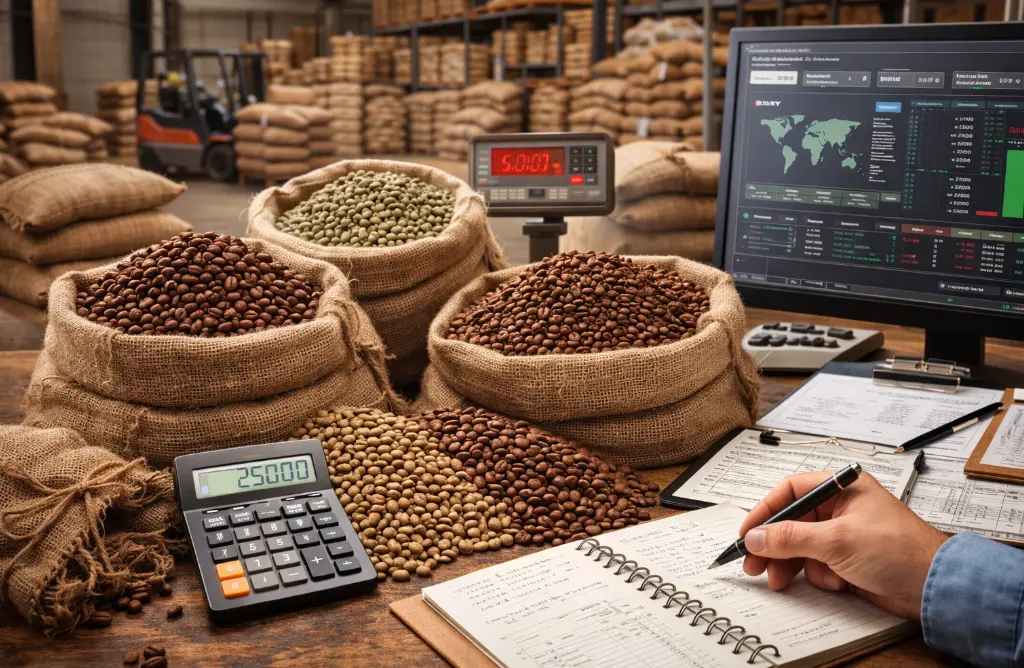
The demand for quality Robusta across European café chains is not slowing down. For buyers who want a consistent, traceable supply at export grade, the sourcing decision starts at origin. Сентс Кафа supplies direct-trade Ugandan Robusta with full origin detail, consistent screen grading, and supply options suited to both wholesale and commercial roasting operations — exactly the standard the European market is now asking for.
Најчешћа питања
Why are Robusta coffee beans becoming popular in European café chains?
They produce stronger crema, hold up better under pressure extraction, and add body to espresso blends that Arabica alone cannot deliver at scale.
How do Robusta coffee beans compare to Arabica in European cafés?
Arabica offers more delicate flavour and brightness, while Robusta brings body, crema, and higher caffeine — most European espresso blends now use both deliberately.
Are Robusta coffee beans widely used across all European countries?
Italy, France, and Portugal have used Robusta in espresso blends for decades. Northern European markets are now adopting it more actively through intentional speciality blending.
How are European coffee trends shifting toward Robusta-based blends?
For buyers sourcing coffee beans Europe markets, Robusta is becoming harder to ignore — driven by cost efficiency, crema quality, and flavour balance across high-volume operations.
How do European baristas use Robusta coffee in specialty drinks?
Primarily in espresso bases for milk-based drinks, and increasingly in single-dose blends where body and caffeine strength are the desired outcome.