How much control do you really have over the coffee you serve?
If you buy pre-roasted bags from a supplier, the answer is not much. That is why roasters and cafes across Germany, France, Italy, and the Netherlands are switching to green coffee beans. Raw. Unroasted. Full of potential. You roast them on your terms. Not someone else’s.
Let me show you why this shift is happening and how your business can benefit.
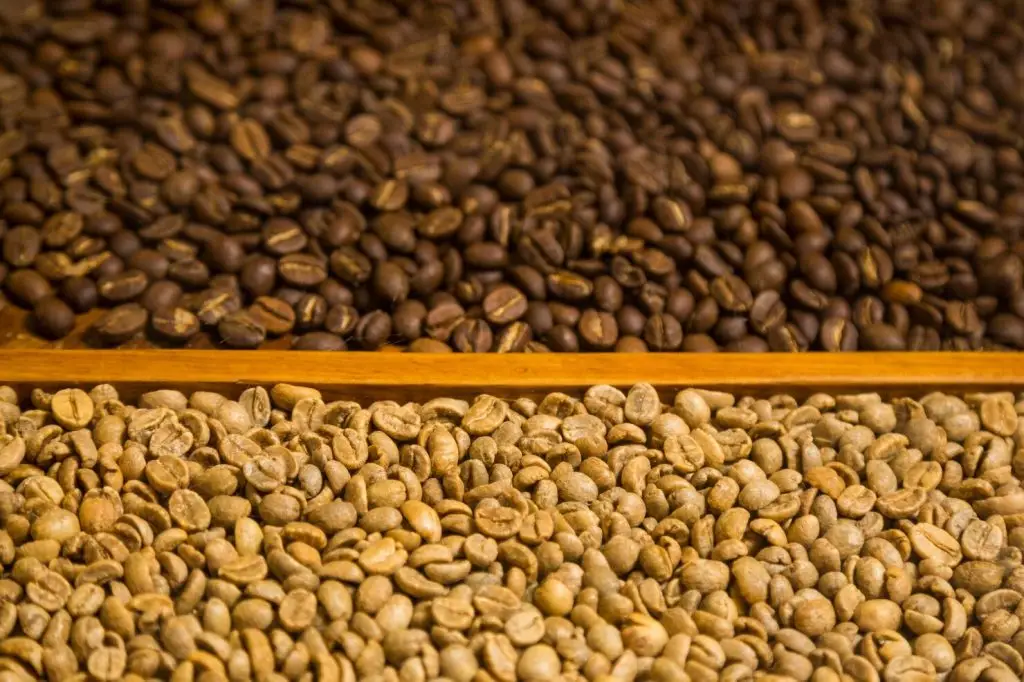
Control That Pre-Roasted Bags Cannot Match
When you buy roasted coffee, the decision is already made. Light, medium, or dark. That is it.
With raw beans, every variable stays in your hands:
- Roast curve – fast and hot or slow and gentle.
- Final color – stop exactly where you want.
- Batch timing – roast fresh every few days.
- Flavor profile – highlight fruit or develop chocolate.
You cannot get that flexibility from pre-roasted imports. Once roasted, the coffee is locked in. No changes possible.
The Cost Logic Behind Bulk Purchasing
Let me talk numbers for a moment.
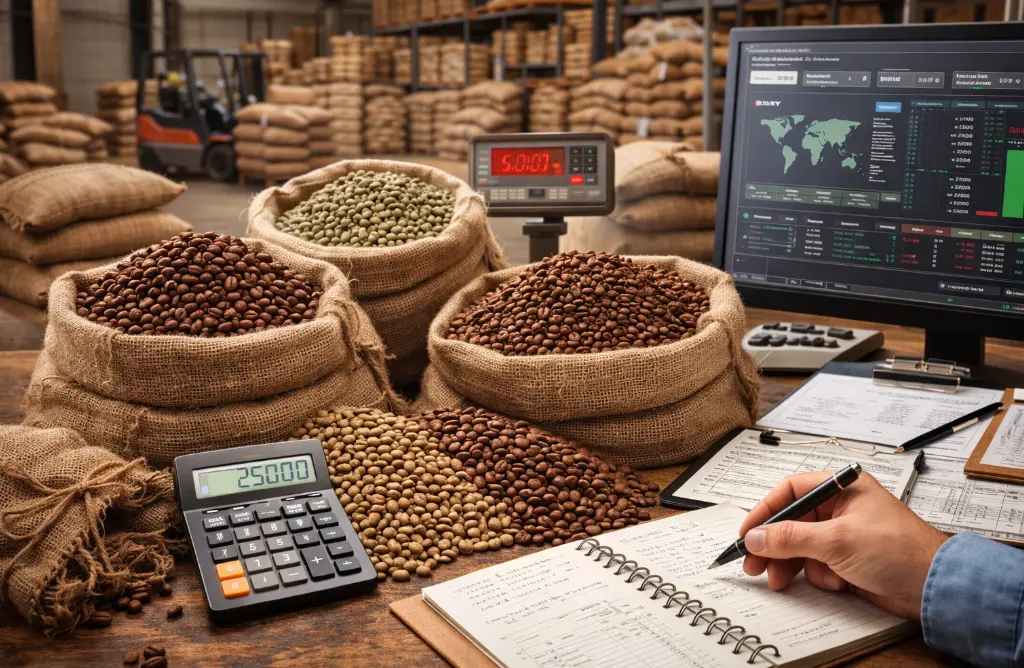
Roasted coffee loses 15 to 18 % of its weight during roasting. Water evaporates. Chaff blows away. You pay for that loss when you buy roasted. When you purchase bulk raw coffee EU directly, you skip that markup entirely. You pay the farm or exporter price. Then you add your own margin.
Here is what volume buyers typically save:
| Monthly Quantity | Savings vs. Pre-Roasted |
| 100 kilograms | 20 to 25 percent |
| 500 kilograms | 30 to 35 percent |
| 1000+ kilograms | 40 to 45 percent |
Those savings go directly into your pocket. Or they let you lower prices for your own customers.
How the Coffee Supply Chain in Europe Affects What You Receive
The path from farm to your roastery matters more than most buyers realise.
Here is how the coffee supply chain Europe typically looks:
- Farm harvest – happens once or twice a year, depending on the region.
- Mill processing – removes fruit and dries the bean.
- Exporter aggregation – collects from multiple farms.
- Ocean shipping – arrives at ports like Rotterdam or Hamburg.
- Warehouse storage – keeps beans climate-controlled.
- Final delivery – brings beans to your door.
Each stop adds time. Longer chains mean older beans. That is why many businesses now work directly with exporters.
What to Look for in EU Suppliers
Not every seller operates with transparency. Good EU suppliers share specific information. Bad ones hide details.
Here is a quick checklist before you commit to any order:
- Samples available – they send 250g for you to roast and taste.
- Harvest date shown – specific month and year, not just “new crop.”
- Grading certificate – shows screen size, defect count, and moisture.
- Clear pricing – broken down by shipping terms.
- Customer references – two other European roasters you can call.
A supplier who refuses any of these five is not worth your time.
Specialty Grading and Import Quality Standards Made Simple
You do not need to become a certified grader. But two terms will save you from bad purchases.
- Specialty grading uses a 0 to 100 score. Coffee scoring 80 or above has fewer defects and a more consistent flavor. Below 80 is commercial grade. Fine for blends but lacks character.
- Import quality standards for the EU are strict. Pesticide levels must stay below legal limits. Moisture content needs to sit between 10 and 12%. No mould. No insect damage.
- Reputable suppliers test every shipment before loading. They provide certificates. No certificate? No purchase.
Honest Risks of Buying Green Beans in Volume
Let me be direct. Bulk buying comes with real risks.
- Storage requirements – need a cool, dry, dark space. Damp basements ruin harvests quickly.
- Money tied up – cash sits in inventory instead of your account.
- Quality fade – even raw beans lose vibrancy after 12 to 15 months.
- Shipping delays – a stuck container at port throws off your whole schedule.
But these risks are manageable with planning. Buy only what you can store properly. Rotate your stock. Order your next shipment while you still have two months left. That buffer protects you from almost any delay.
A Simple Way Forward
You now know why European coffee businesses choose raw beans. Control. Savings. Freshness. The ability to roast exactly what your customers want. If you are looking for a direct source of consistently graded green beans from Uganda, reach out to Cents Coffee. Clear harvest dates. Transparent grading. No hidden markups. Just clean, traceable raw coffee ready for your roastery. Your business deserves better than pre-roasted unpredictability. Make the switch to green.
FAQs
What are the benefits of purchasing bulk raw coffee in the EU?
Lower cost per kilogram, complete roasting control, and direct relationships with farms instead of middlemen.
How does the coffee supply chain in Europe affect green coffee availability?
Shorter chains mean fresher beans. Longer chains with multiple handlers add cost and delay arrival.
What should European buyers look for in EU suppliers of green coffee beans?
Harvest dates, sample availability, grading certificates, transparent pricing, and verifiable customer references.
What are the risks of buying green coffee beans in bulk?
You need proper storage space. Money gets tied up in inventory. Quality starts fading after about a year. And a delayed shipment can mess up your roasting schedule.