











Every good morning has a sound. For me, it starts with the soft burr of a grinder, the kettle’s low murmur, and that first bloom rising like warm breath from the cup. At Cents Coffee, we see this ritual as more than a drink. It carries soil, rainfall, hands, patience, and fire. Our vision is simple: “Premium quality meets conscious conservation,” ensuring every bean tells a story of the earth it came from. That story becomes clearest when we understand Roasted Coffee Beans and how heat shapes their final character.
The Moment the Bean Begins to Speak
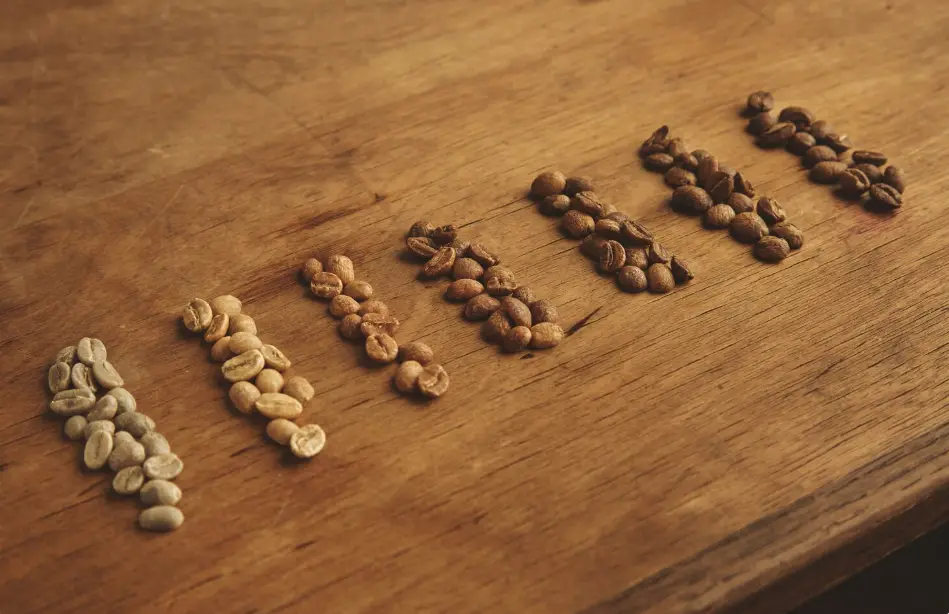
When I roast, I never rush the drum. Green coffee first turns yellow, then tan, then brown as moisture escapes and sugars begin to caramelize. The bean expands. Its surface dries. Then comes “first crack,” a sharp, papery pop that sounds like tiny twigs snapping in a fire. JavaPresse describes first crack as the moment vapors break through the bean wall, and Methodical Coffee notes that roasting transforms dense green coffee into aromatic, brittle, flavorful coffee. That sound tells the roaster, “Now the real decision begins.”
Light Roast: Bright, Floral, and Origin-Led
A light roast protects the bean’s birthplace. It keeps acidity lively, body delicate, and aroma close to citrus, berries, tea, and flowers. Methodical Coffee describes light roasts as less bitter, often sweeter, and brighter in character, while Coffee Culture highlights their fruity and floral profile with no visible surface oil. This is where terroir speaks loudly. If the coffee grew in mineral-rich soil or under careful shade, you can often taste that clarity. A practical coffee roast guide should never call light roast “weak.” It feels graceful, not thin.
Medium Roast: The Sweet Middle Path
Medium roast feels like a well-tuned acoustic guitar. It keeps some brightness, then adds caramel, nuts, cocoa, and a rounder body. JavaPresse says medium roasts preserve many origin flavors while developing deeper sweetness, and Methodical Coffee describes them as balanced, with body and still-bright notes. Many drinkers love this roast because it suits pour-over, drip, French press, and even milk drinks. The fresh roasted coffee beans flavor at this stage often moves from crisp fruit toward brown sugar, red fruit, baking spice, and soft chocolate.
Dark Roast: Smoke, Depth, and Discipline
Dark roast demands restraint. Push it with care, and it gives dark chocolate, toasted sugar, molasses, and a heavy body. Push it too far, and it loses its origin voice. Coffee Culture explains that dark roasts carry very low acidity, an oily surface, and bold smoky notes, while JavaPresse notes that darker beans often show lower acidity and heavier body. Good coffee roasting levels do not chase darkness for drama. They chase balance. A skilled roaster stops before smoke becomes ash and before sweetness turns bitter.
Why Artisan Roasting Matters
Industrial roasting often treats coffee like a number. I prefer to treat it like fruit, wood, weather, and memory. Small-batch roasting lets us watch color, smell the sugars, hear first crack, and adjust heat before the bean loses its dignity. At Cents Coffee, our sustainability promise starts before roasting, with respect for farmers, land, and careful sourcing. Then the roaster protects that work. True artisan roasted beans should taste intentional but not burnt flat, and hidden under roast. Just honest, expressive, and alive.
Choosing Your Roast
Choose light roast when you want brightness, florals, and origin clarity. Or change to medium when you want sweetness, comfort, and balance. You can also opt for dark when you want body, smoke, and a deeper cup that holds milk well. No roast wins every morning. Some days ask for a delicate pour-over. Some ask for a bold French press before a long road. The best coffee meets the mood, respects the bean, and leaves the soil’s story intact. At Cents Coffee, that is where craft and conservation share the same cup.
What are fresh roasted coffee beans and why do they matter?
Fresh roasted coffee beans keep more aroma, sweetness, and flavour. They matter because fresher beans give a cleaner, fuller, and more enjoyable cup.
What is the difference between light, medium, and dark roast coffee beans?
Light roast tastes bright and fruity. Medium roast is balanced and smooth. Dark roast tastes bold, smoky, and heavier.
How does roast level affect the flavor of coffee beans?
Roast level changes sweetness, acidity, body, and aroma. Light roasts show more origin flavour, while darker roasts bring deeper roasted notes.
How can you identify different coffee roasting levels by taste?
Light roasts taste crisp and bright. Medium roasts feel smoother and sweeter. Dark roasts taste stronger, heavier, and more roasted.
Do dark roast coffee beans contain more caffeine than light roast?
No. Dark roast does not always have more caffeine. By weight, light roast usually has slightly more caffeine than dark roast.