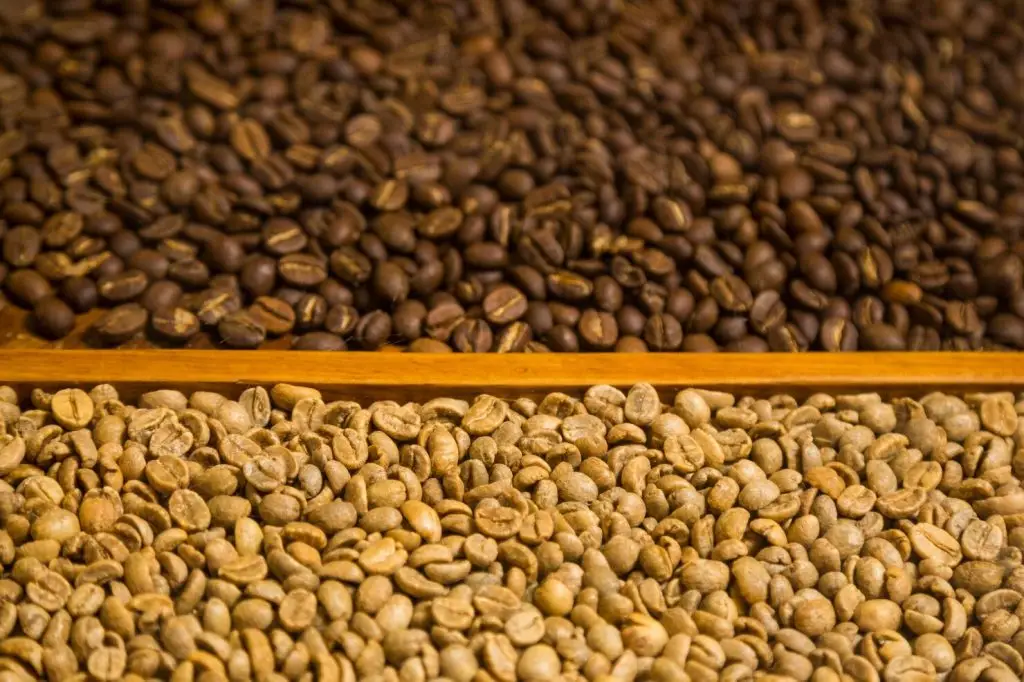



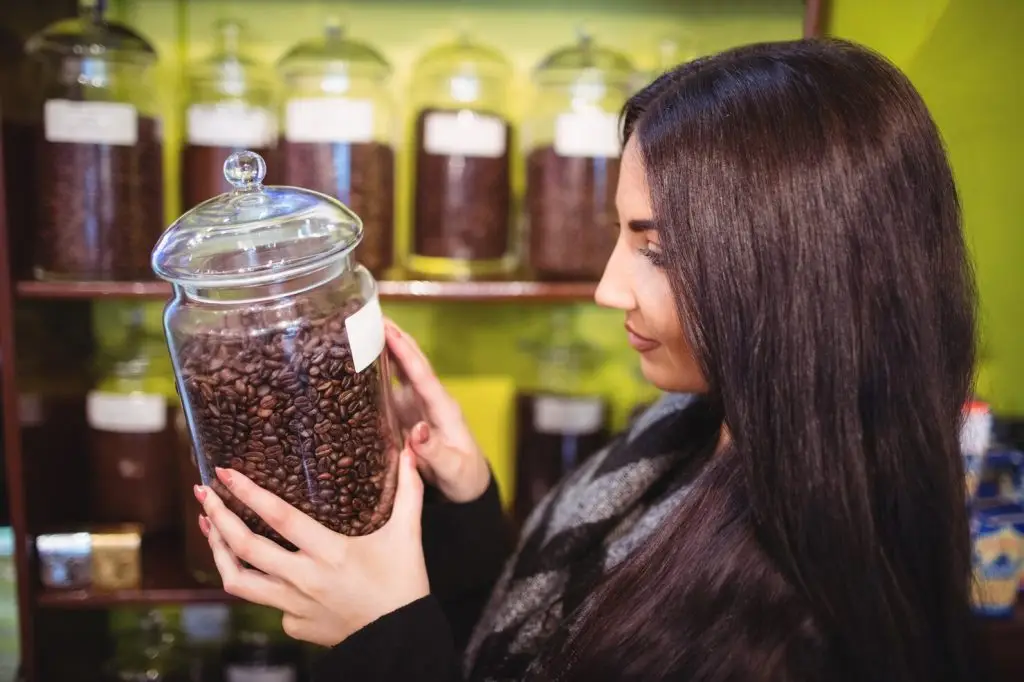
Walk into any specialty roastery in Warsaw, Bucharest, or Budapest today, and you will notice something different from five years ago. The conversation has moved on from price per kilo to processing method, harvest date, and farm elevation.
Eastern European roasters have developed a serious eye for quality, and that shift is driving a very specific problem — finding green coffee that actually meets that standard, ships reliably, and arrives ready to roast. If you want to buy coffee beans online for your roastery, the sourcing process deserves as much attention as the roast profile itself.
Growing Demand Across Eastern Europe
Poland alone has seen its specialty café count grow faster than almost any market in the EU over the past decade. Romania, Hungary, and Bulgaria are not far behind. What was once a region dominated by large commodity roasters is now home to hundreds of independent roasteries building their reputations on origin-specific lots and consistent seasonal blends.
That growth has a direct effect on sourcing. Generic stock with no origin story no longer sells the way it once did. Roasters who buy green coffee beans Europe for long-term programs need something their competitors cannot easily copy—a reliable supply of quality beans with clear traceability and a supplier who treats the relationship as ongoing, not transactional.
Step-by-Step Buying Process
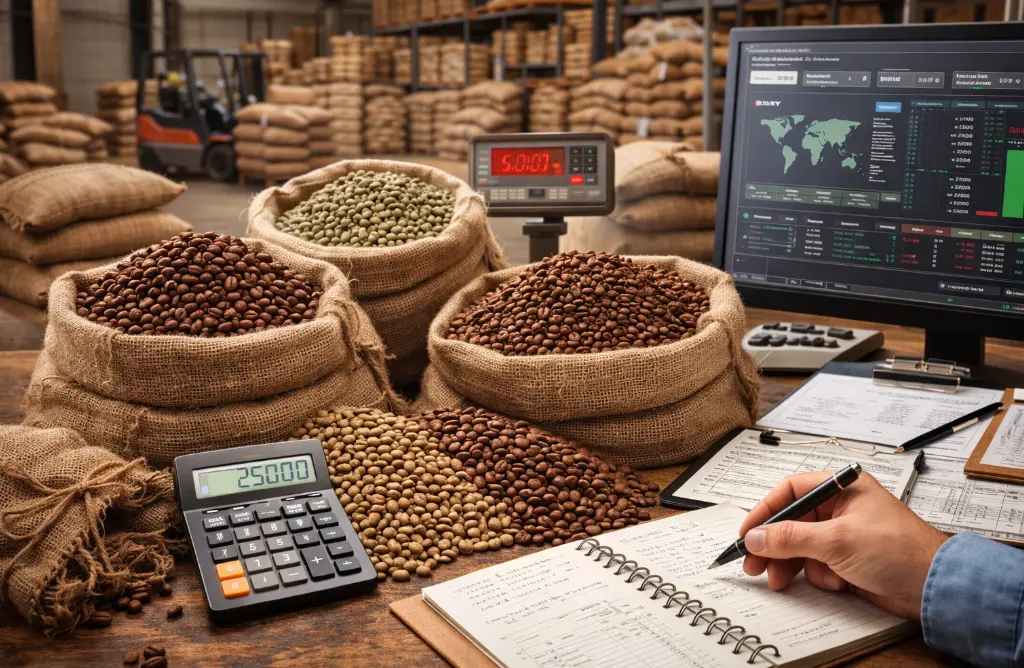
Rushing into a bulk order without doing the groundwork is expensive. Whether you are placing your first international order or switching suppliers after a bad experience, slow down and work through these steps properly:
- Decide upfront whether your program needs Arabica, Robusta, or both—and in what ratio.
- Pin down the grade, screen size, and processing method that matches your target roast profiles.
- Ask the supplier directly for harvest information and crop year details before anything else.
- Request full specifications—moisture content, defect count, and density—not just a product name.
- Confirm packaging options, including jute bags, GrainPro liners, and available weight increments.
- Always ask for a sample before committing to volume, even from a familiar supplier.
- Judge the supplier on communication quality and export knowledge, not price alone.
- Get minimum order quantities, payment terms, and lead times confirmed in writing.
- Review port routing, freight options, and estimated delivery windows carefully.
- Keep records of every agreed detail from the first message through to final delivery.
For bulk coffee buying, this process is not optional, Admin—it is what keeps your blend consistent and your supply chain predictable.
Import Regulations With an EU Focus
Knowing how to import coffee beans into Europe correctly saves roasteries from expensive delays and compliance headaches down the line.
Coffee currently falls under the EU Deforestation Regulation. The application date has been pushed back to December 30, 2026, for most operators, with micro and small operators receiving additional time beyond that. EU plant health rules may also require a phytosanitary certificate depending on the country of origin, though some origins are exempt. Requirements shift, so always verify current rules with your customs agent or freight partner before an order ships rather than after.
A working coffee import guide for European buyers covers these documents at a minimum:
- Commercial invoice and itemized packing list.
- Full origin and product specification records.
- Phytosanitary certificate, where the exporting country requires it.
- Freight documentation, carrier details, and port information.
- Customs HS code classification confirmed in advance.
- Importer registration details and buyer records on file.
- EUDR sourcing and traceability records as required under the regulation.
Missing one of these at the border does not just delay a shipment — it can hold up your entire production schedule.
Choosing a Supplier for Quality and Logistics
A price list is not a sourcing strategy. The green coffee supplier that works best for a European roastery is one who understands grading, communicates honestly about availability, packs shipments correctly every time, and can support the same order quality across repeat consignments—not just the first one.
Before locking in a supplier relationship, look closely at:
- Whether Arabica and Robusta options come with full grade and screen size details as standard
- How openly they share moisture levels, defect information, and crop specifics
- Whether export-ready packaging is built into their process or treated as optional
- Their track record with repeat international orders at the volumes your roastery actually needs
- Response times and communication quality—how a supplier handles questions tells you exactly how they handle problems
- Whether sample requests are welcomed or made difficult
- Their genuine experience with cross-border logistics and EU import documentation
Good logistics and honest communication are not extras. A shipment that arrives late, underdocumented, or packed incorrectly causes real damage to a roastery’s production schedule, regardless of how good the beans were at origin.
Buy From a Global Exporter You Can Trust
Cents Coffee supplies Ugandan Arabica and Robusta green coffee beans to roasters, importers, cafes, and wholesale buyers across international markets. Every order comes with clear specifications, reliable bulk supply options, and export-ready coffee backed by real logistics experience. Contact Cents Coffee today to request a quote and get your next green coffee order moving.
FAQ
Where do businesses buy the best coffee beans online at wholesale prices?
Roasters who skip the middleman and go directly to exporters consistently get better pricing, cleaner specs, and far more visibility into what they are actually purchasing.
How can you easily import green coffee beans into Europe without hassle?
Sort your paperwork before the shipment moves, not after—a good freight forwarder and an exporter who knows EU documentation requirements will save you more time than anything else.
Which is better for your business — Arabica or Robusta coffee beans?
Neither is universally better. Arabica tends to suit nuanced, aromatic roast programs, while Robusta carries body and crema that espresso blends and high-volume wholesale accounts genuinely benefit from.
Why are more European buyers switching to green coffee bean suppliers?
Roasting in-house from green stock gives a roastery something pre-roasted sourcing never can — full control over the cup from raw material to final product.
How do you find a reliable green coffee bean supplier for bulk buying?
Ask hard questions early, request a sample before committing to volume, and pay close attention to how they communicate—reliability shows up in the small details long before the first big order ships.